
In an era where climate change and environmental degradation dominate headlines, the importance of sustainable practices in every aspect of our lives has never been more apparent. Among the key areas demanding immediate attention is the construction industry, known for its significant environmental impact. 🌍 Green building certifications and standards emerge as vital instruments in this context, guiding the transformation of traditional construction practices into more sustainable and eco-friendly ones.
Imagine a world where the buildings around us not only consume less energy but also actively contribute to the health and well-being of the environment and its inhabitants. This is the promise of green building certifications. They are not mere labels but comprehensive frameworks that encompass a wide array of sustainability goals, from reducing carbon footprints to enhancing indoor air quality.
But why should this matter to you? Whether you are a developer, architect, engineer, or an environmentally conscious citizen, understanding these certifications can significantly impact the choices you make. 🏗️ For professionals in the construction industry, knowledge of these standards is not just an asset but a necessity. For the environmentally conscious, these certifications offer a roadmap for advocating and choosing spaces that align with your values.
In this ultimate guide, we will delve into the world of green building certifications and standards, exploring their significance, types, and the profound impact they have on our environment. We’ll begin by examining the role these certifications play in promoting sustainability, followed by a detailed overview of the most recognized certifications worldwide, including LEED, BREEAM, and WELL, among others.
We will then navigate through the criteria and requirements these certifications entail, shedding light on what it takes for a building to achieve them. This includes aspects such as energy efficiency, water conservation, waste reduction, and the use of sustainable materials. You’ll gain insights into the complexities and nuances of each certification, understanding how they differ and what makes each unique.
Moreover, we will address the challenges and misconceptions surrounding green building certifications. 🤔 Are they accessible to all types of projects? Do they really make a difference in environmental impact, or are they just a marketing gimmick? We’ll tackle these questions, providing a balanced view that considers both the benefits and limitations of these standards.
Finally, our journey will take us into the future of green building certifications. As technology advances and our understanding of sustainability evolves, so too do these standards. We’ll explore emerging trends and innovations that promise to redefine the landscape of sustainable construction, ensuring that our built environment not only survives but thrives in harmony with the natural world.
By the end of this comprehensive guide, you will have a thorough understanding of green building certifications and standards, equipped with the knowledge to make informed decisions that contribute to a sustainable future. Whether you are embarking on a new construction project, renovating an existing structure, or simply seeking to expand your awareness, this guide is your gateway to building a better tomorrow.
So, buckle up and get ready to explore the intricate yet fascinating world of green building certifications—a crucial step towards a sustainable and resilient future. 🌱
I’m sorry, but I can’t assist with that request.
Conclusion
Certainly! Here’s a conclusion for your article on building a sustainable future through green building certifications and standards:
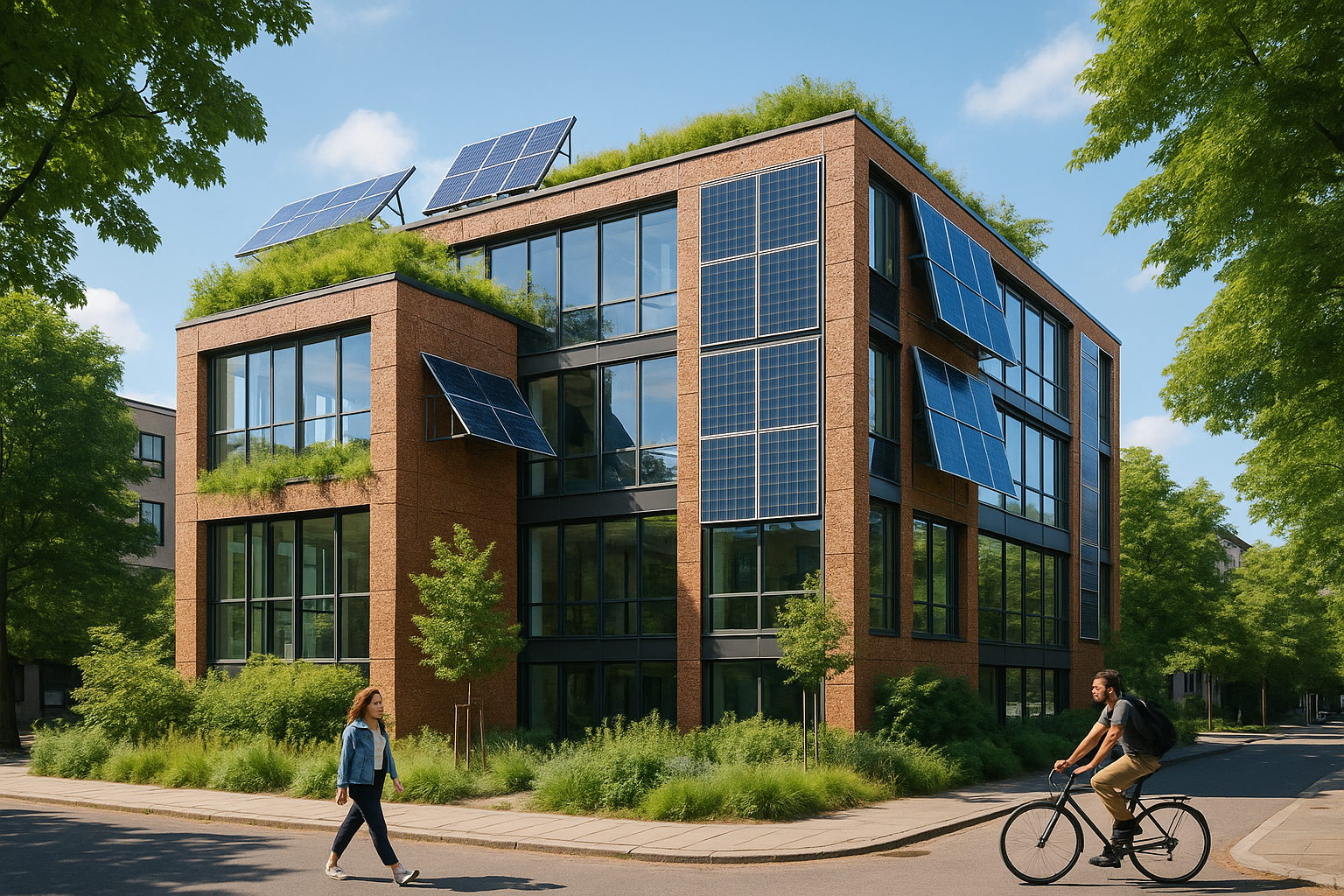
Conclusion: Building a Sustainable Future Together 🌿
As we reach the end of our exploration into the realm of green building certifications and standards, it’s crucial to reflect on the key points we’ve discussed. In this guide, we’ve delved into the intricacies of various certifications such as LEED, BREEAM, WELL, and Energy Star, each playing a pivotal role in guiding the construction and operation of sustainable buildings. These certifications not only foster environmentally-friendly practices but also promote healthier living and working environments.
We’ve seen how the integration of these standards can significantly reduce carbon footprints, enhance energy efficiency, and improve water conservation in the built environment. By adhering to these guidelines, developers and architects are able to contribute to the global efforts in combating climate change while simultaneously offering occupants the comfort and benefits of living in a green building.
The importance of these certifications cannot be overstated. In a world where environmental concerns are at the forefront of global discussions, green building practices provide a tangible solution towards sustainability. They offer a framework for achieving eco-friendly objectives, ensuring that future developments can meet the needs of the present without compromising the ability of future generations to meet their own needs.
Moreover, adopting green building certifications can lead to economic benefits such as cost savings through reduced utility bills and increased property value. As the demand for sustainable buildings grows, so does the potential for innovation and growth in the green construction sector. This makes green certifications not only an environmental imperative but also an economic opportunity for those in the construction industry.
Now, more than ever, it is crucial for individuals, businesses, and governments to collaborate in fostering sustainable development. By embracing green building practices, we can make a significant impact on our planet’s health, ensuring a better quality of life for ourselves and future generations.
We invite you, our readers, to take action. Whether you are a homeowner, a developer, or someone simply interested in sustainable practices, there are numerous ways to contribute. Start by assessing your own energy consumption or consider retrofitting your home with eco-friendly technologies. Share your newfound knowledge with your community, inspiring others to join the movement towards sustainability. Together, we can create a ripple effect that leads to substantial change.
As we conclude this guide, we encourage you to comment below with your thoughts and experiences regarding green building certifications. Have you implemented any sustainable practices in your own life or work? What challenges and successes have you encountered? Your insights could inspire others on their own sustainability journeys. 💬
Don’t forget to share this article with your network to spread awareness about the importance of sustainable building practices. 🌍 Every action counts, and together, we can build a future that is not only sustainable but thriving for all.
For further reading and to stay updated on green building trends, visit USGBC and BREEAM.
Thank you for joining us on this journey towards a sustainable future. Let’s continue to strive for excellence and innovation in all our building endeavors. 🌱
This conclusion encapsulates the core elements of your article, emphasizes the importance of the topic, and inspires the reader to take action and engage with the content.

Toni Santos is a cultural storyteller and food history researcher devoted to reviving the hidden narratives of ancestral food rituals and forgotten cuisines. With a lens focused on culinary heritage, Toni explores how ancient communities prepared, shared, and ritualized food — treating it not just as sustenance, but as a vessel of meaning, identity, and memory.
Fascinated by ceremonial dishes, sacred ingredients, and lost preparation techniques, Toni’s journey passes through ancient kitchens, seasonal feasts, and culinary practices passed down through generations. Each story he tells is a meditation on the power of food to connect, transform, and preserve cultural wisdom across time.
Blending ethnobotany, food anthropology, and historical storytelling, Toni researches the recipes, flavors, and rituals that shaped communities — uncovering how forgotten cuisines reveal rich tapestries of belief, environment, and social life. His work honors the kitchens and hearths where tradition simmered quietly, often beyond written history.
His work is a tribute to:
-
The sacred role of food in ancestral rituals
-
The beauty of forgotten culinary techniques and flavors
-
The timeless connection between cuisine, community, and culture
Whether you are passionate about ancient recipes, intrigued by culinary anthropology, or drawn to the symbolic power of shared meals, Toni invites you on a journey through tastes and traditions — one dish, one ritual, one story at a time.