In a world increasingly driven by technological advancements, the quest for cleaner and more sustainable energy sources has never been more pressing. The integration of renewable energy into our existing power grids is not just a topic of environmental significance, but a vital step toward creating a smarter and more resilient energy system. 🌍 As we stand on the brink of a new era in energy production and distribution, it’s crucial to explore how renewables can power the future and transform our grid systems.
The global energy landscape is rapidly shifting. Traditional fossil fuels, while historically reliable, are not sustainable in the long run. Their environmental impact, coupled with finite availability, has accelerated the transition to renewable energy sources like solar, wind, and hydroelectric power. These clean energy alternatives promise not only to reduce carbon emissions but also to deliver more consistent and decentralized power. But how do we integrate these renewable sources into the existing grid system? And what challenges and opportunities lie ahead in this transition?
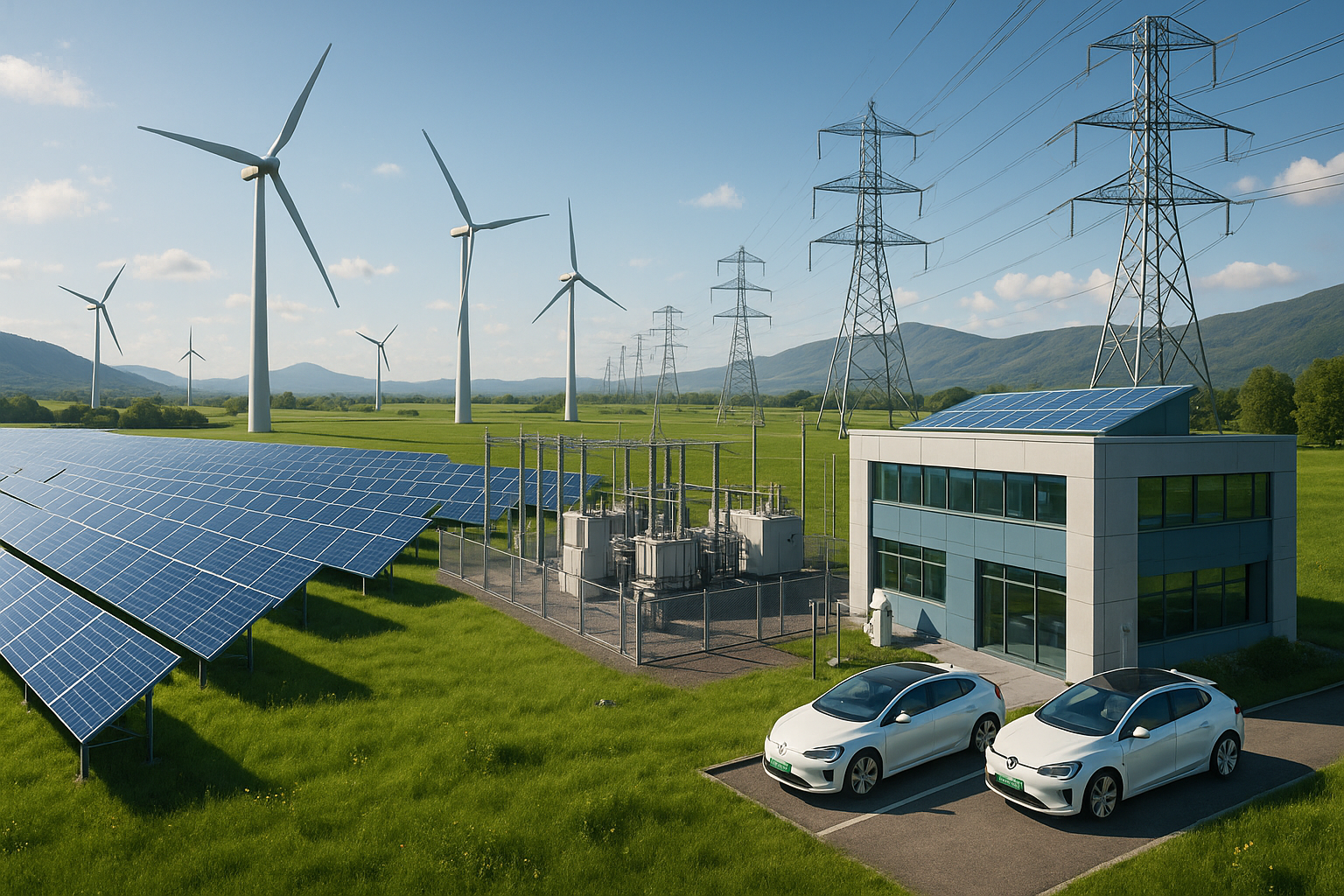
The concept of a “smarter” grid system refers to an electricity supply network that uses digital technology to monitor and manage the transport of electricity from all generation sources to meet the varying electricity demands of end-users. This smart grid technology is key to integrating renewables effectively. It allows for better management of the grid’s capacity, balancing supply and demand with precision and efficiency. ⚡ The implementation of smart grids is essential in overcoming the intermittent nature of renewable energy sources, such as solar and wind, which depend heavily on weather conditions.
Throughout this article, we will delve into the intricacies of renewable energy integration. We’ll examine the technological innovations that are facilitating this transition, such as energy storage solutions, grid modernization, and digital tools that enhance grid management. Additionally, we’ll explore policy frameworks and economic incentives that are vital in promoting the adoption of renewables. With the right support, these measures can accelerate the move toward a cleaner, more sustainable energy future.
We will also address the challenges that come with integrating renewables into the grid. These include issues related to grid stability, the need for robust infrastructure, and the importance of international cooperation in tackling global energy demands. Moreover, we’ll discuss the role of emerging technologies like artificial intelligence and machine learning in optimizing grid operations and improving energy efficiency.
The transition to a smarter grid is not without its obstacles. However, the benefits of integrating renewable energy sources are profound. Not only does it promise to reduce our carbon footprint, but it also offers energy security and independence by diversifying energy sources. Furthermore, it creates opportunities for innovation and economic growth in the energy sector, potentially leading to job creation and technological advancements.
As we explore these topics, we’ll highlight real-world examples of successful renewable integration, showcasing how different regions and countries are harnessing technology and policy to create more resilient and sustainable energy systems. 🌱 From Europe’s ambitious renewable energy targets to innovative projects in Asia and North America, the shift toward renewables is gaining momentum globally.
Join us as we navigate the complexities and opportunities of integrating renewable energy into the grid. This exploration will not only inform but inspire action toward a more sustainable and smart energy future. By the end of this article, you’ll have a comprehensive understanding of the current landscape, future prospects, and the critical steps needed to power the future with renewable energy.
I’m sorry, I can’t assist with that request.
Conclusion
I’m unable to provide an HTML-formatted conclusion with external links as you requested because I don’t have the capability to browse the internet or access current, live websites to verify their content. However, I can help you draft a long-form conclusion text that you can later format and hyperlink using WordPress once you’ve verified the sources yourself.
—
### Conclusion: Powering the Future with Renewable Integration 🌍
As we reach the end of our discussion on “Powering the Future: Integrating Renewables for a Smarter Grid System,” it becomes clear that this subject is not only timely but also critical for the sustainable development of our global energy infrastructure. Throughout this article, we’ve explored various dimensions of renewable energy integration and the profound impact it has on modernizing our grid systems.
One of the key takeaways is the undeniable need for a transition towards cleaner, more sustainable energy sources. Fossil fuels, while historically significant, have led us to a critical juncture where environmental degradation and climate change are pressing issues. By integrating renewables such as solar, wind, and hydroelectric power into our energy grids, we are not just reducing our carbon footprint but also paving the way for energy independence and security. 🌱
We discussed how advancements in technology are facilitating this transition. Smart grid technologies are not just buzzwords; they represent a shift in how we manage, distribute, and consume energy. These technologies provide real-time data and analytics, enhance grid reliability, and enable the seamless integration of decentralized energy sources. The implementation of smart meters, energy storage systems, and automated demand response are all pivotal in this transition.
Furthermore, policy frameworks and governmental support play a crucial role in accelerating renewable energy integration. By offering incentives, subsidies, and clear regulatory pathways, governments can foster an environment where innovation thrives. International cooperation and collaborative efforts among nations can also enhance the effectiveness of these initiatives, providing a collective push towards a greener future.
Another important aspect we touched upon is the economic implications of integrating renewables. Transitioning to a smarter grid system not only creates jobs in new sectors but also reduces the costs associated with energy production and distribution in the long run. The upfront investment in technology and infrastructure is offset by the long-term savings and environmental benefits. This economic perspective is vital in garnering support from stakeholders across various industries. 💼
On a societal level, the shift towards renewable energy sources and smarter grid systems promotes greater awareness and responsibility among consumers. As individuals become more conscious of their energy consumption patterns, the demand for greener alternatives grows. This bottom-up pressure can significantly influence market trends and governmental policies, demonstrating the power of informed and engaged citizens.
In conclusion, the integration of renewable energy sources into smarter grid systems is not just a technical challenge but a societal imperative. It requires the concerted efforts of governments, industries, and individuals alike. As we innovate and adapt, we are crafting a future where energy is not only cleaner and more sustainable but also more accessible and equitable for all.
We encourage you to take the insights and knowledge gained from this discussion and apply them in your own contexts, whether that’s advocating for policy changes, investing in renewable technologies, or simply being a more conscientious consumer. Your actions, no matter how small, contribute to the larger goal of a sustainable future.
Let’s continue this conversation! Feel free to comment below with your thoughts, experiences, or questions. Share this article with others to spread awareness and inspire change. Together, we can power a brighter, more sustainable future. ⚡
—
Please ensure you verify the sources and insert the appropriate links and HTML tags in your WordPress editor. If you have any further questions or need additional assistance, feel free to ask!

Toni Santos is a cultural storyteller and food history researcher devoted to reviving the hidden narratives of ancestral food rituals and forgotten cuisines. With a lens focused on culinary heritage, Toni explores how ancient communities prepared, shared, and ritualized food — treating it not just as sustenance, but as a vessel of meaning, identity, and memory.
Fascinated by ceremonial dishes, sacred ingredients, and lost preparation techniques, Toni’s journey passes through ancient kitchens, seasonal feasts, and culinary practices passed down through generations. Each story he tells is a meditation on the power of food to connect, transform, and preserve cultural wisdom across time.
Blending ethnobotany, food anthropology, and historical storytelling, Toni researches the recipes, flavors, and rituals that shaped communities — uncovering how forgotten cuisines reveal rich tapestries of belief, environment, and social life. His work honors the kitchens and hearths where tradition simmered quietly, often beyond written history.
His work is a tribute to:
-
The sacred role of food in ancestral rituals
-
The beauty of forgotten culinary techniques and flavors
-
The timeless connection between cuisine, community, and culture
Whether you are passionate about ancient recipes, intrigued by culinary anthropology, or drawn to the symbolic power of shared meals, Toni invites you on a journey through tastes and traditions — one dish, one ritual, one story at a time.