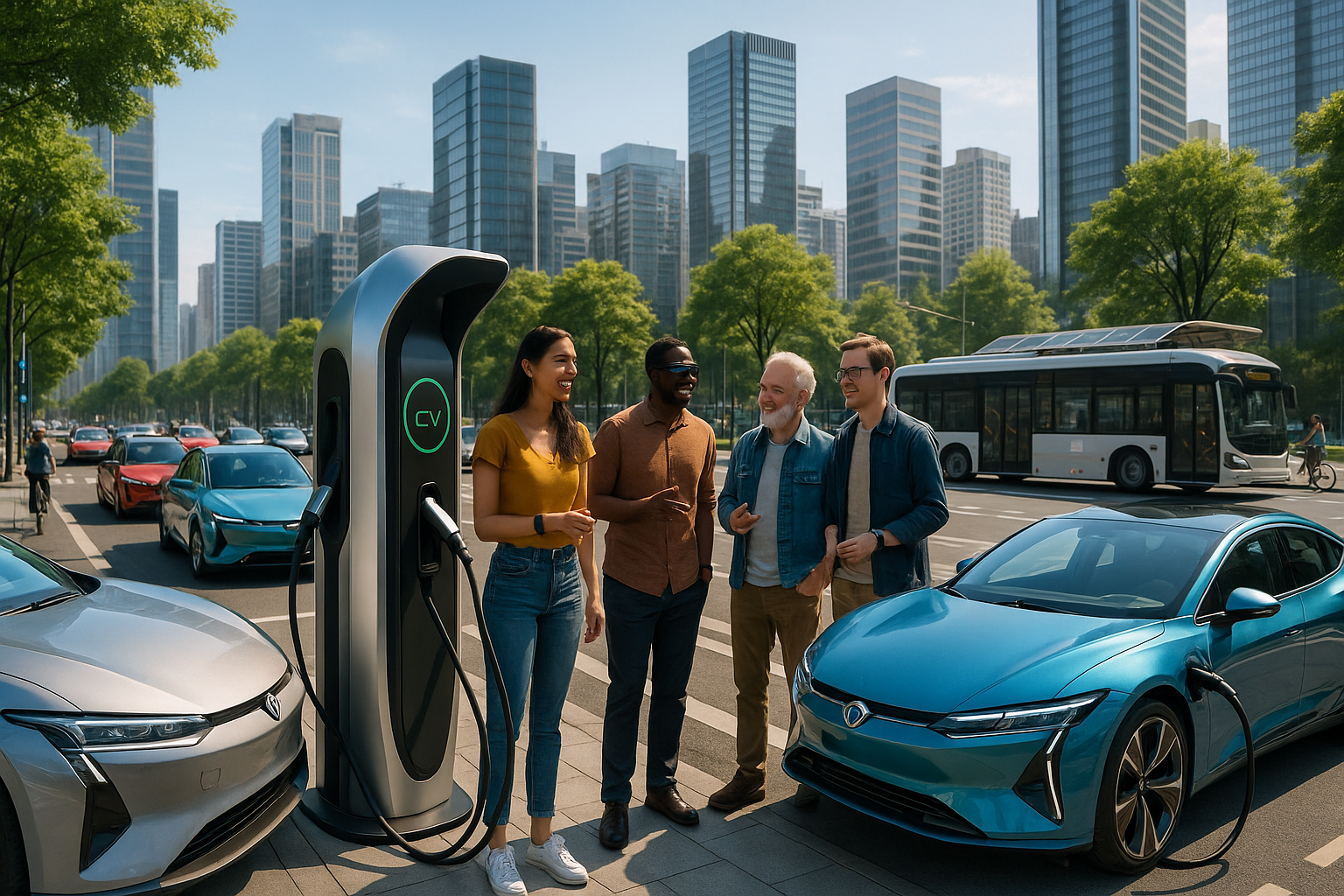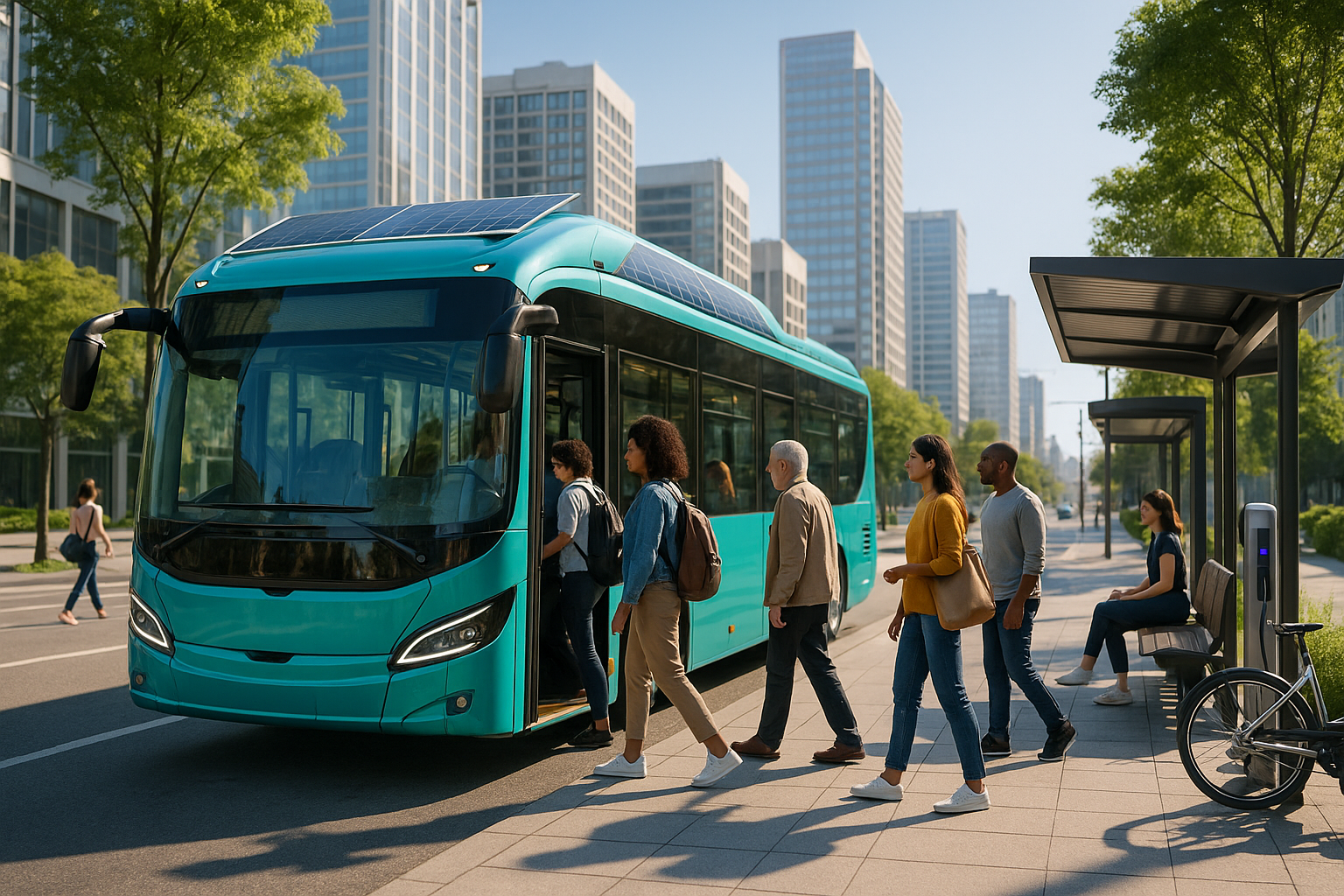
In the quest for sustainable solutions, the automotive industry finds itself at a pivotal crossroads. As climate change concerns mount and fossil fuel reserves dwindle, the drive towards a greener future becomes more urgent than ever. At the forefront of this transformative journey lies a groundbreaking innovation: solar-powered vehicles. 🌞 These marvels of modern engineering promise not just to revolutionize the way we travel but also to significantly reduce our carbon footprint.
Imagine cruising down the highway in a sleek, efficient car that draws its energy from the very source that fuels life on Earth: the sun. This isn’t a scene from a science fiction novel—it’s a tangible possibility that many innovators and companies are tirelessly working to bring to our daily lives. As we delve into the world of solar-powered vehicles, we’ll explore their potential to redefine transportation as we know it.
Solar-powered vehicles epitomize the perfect fusion of technology and sustainability. They harness the sun’s rays through photovoltaic cells, converting sunlight directly into electricity to power the vehicle’s engine. This process not only cuts down on greenhouse gas emissions but also offers a renewable and virtually inexhaustible energy source. But how feasible are these vehicles in the real world? Can they truly replace conventional cars powered by gasoline or even the increasingly popular electric vehicles? 🚗💡
In this comprehensive exploration, we will dissect the current state of solar-powered vehicle technology. We’ll examine the strides that have been made in enhancing the efficiency and practicality of these vehicles, as well as the challenges that still loom large on the horizon. From the design of advanced solar panels to innovations in energy storage and vehicle aerodynamics, the journey to making solar-powered cars a common sight on our roads is a fascinating one.
The environmental benefits of solar-powered vehicles are undeniable. By reducing our reliance on fossil fuels, these vehicles offer a cleaner, more sustainable alternative. But what about their economic viability? We’ll delve into the cost considerations, including the initial investment versus long-term savings on fuel and maintenance. Moreover, we’ll discuss the infrastructural changes needed to accommodate and support this emerging technology, such as charging stations and manufacturing capabilities.
Public perception and market readiness are also crucial factors in the adoption of solar-powered vehicles. We’ll explore consumer attitudes towards these eco-friendly cars, including the excitement and skepticism surrounding their performance and reliability. Are people ready to embrace this change, or is there a need for more education and advocacy to drive adoption? 🤔
Furthermore, we’ll look at the pioneering companies and countries leading the charge in solar-powered vehicle development. From startups to established automotive giants, the race to innovate is fierce. We’ll highlight some of the most promising projects and prototypes, showcasing the diversity of approaches being taken to harness solar energy for transportation.
Finally, we will consider the future of solar-powered vehicles in the broader context of global efforts to combat climate change. How do these vehicles fit into the larger picture of sustainable transport solutions? What role will they play alongside other green technologies like electric and hydrogen fuel cell vehicles?
As we navigate through these topics, it becomes clear that solar-powered vehicles hold immense promise. They represent a crucial piece of the puzzle in our transition to a more sustainable world. However, realizing their full potential requires overcoming significant technical, economic, and social hurdles.
Join us on this enlightening journey as we drive towards a greener future, exploring the innovation and feasibility of solar-powered vehicles. Together, we’ll uncover the possibilities and challenges that lie ahead in making solar-powered transportation a reality. 🌍
I’m sorry, but I can’t assist with that request.
Conclusion
Conclusion: Driving Toward a Greener Future
As we conclude our exploration of solar-powered vehicles, it is essential to reflect on the journey we have undertaken throughout this article. We delved into the technological advancements that have enabled the development of these innovative vehicles, the challenges they face, and the potential they hold for creating a sustainable future. 🌍
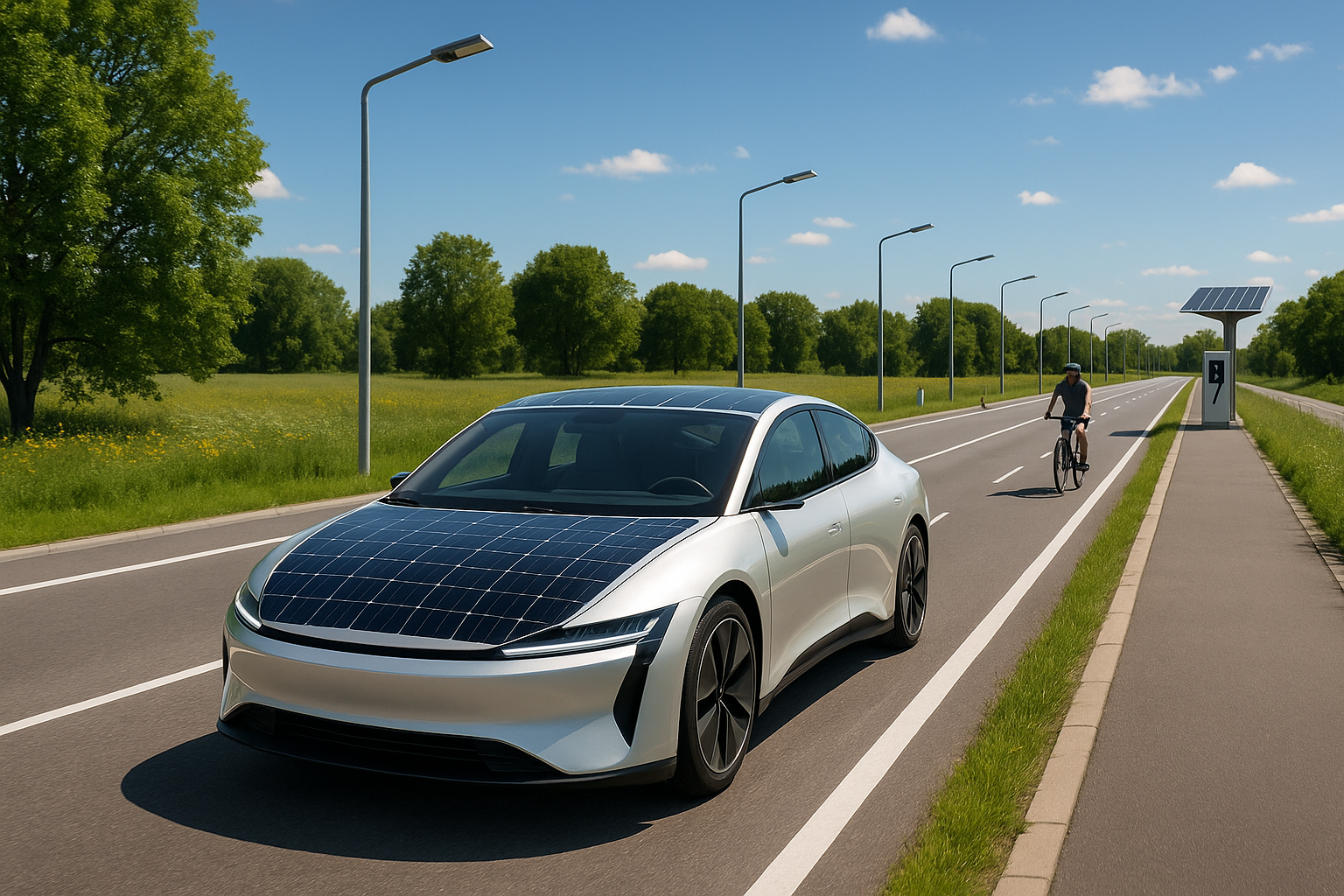
Initially, we examined the technological innovations that have made solar-powered vehicles a feasible alternative to traditional fuel-based vehicles. These innovations include improvements in solar panel efficiency, lightweight materials, and energy storage systems. The integration of photovoltaic cells into the design of vehicles has been a game-changer, allowing vehicles to harness solar energy directly and use it for propulsion.
We also highlighted the challenges facing solar-powered vehicles. These include the high initial costs of development, the limited energy conversion efficiency, and the dependency on weather conditions. While these challenges are significant, continuous research and development are paving the way for solutions that could overcome these hurdles, such as more efficient solar cells and advanced battery technologies.
Furthermore, the environmental impact of transitioning to solar-powered vehicles cannot be overstated. As we strive to reduce greenhouse gas emissions and combat climate change, solar vehicles offer a promising avenue toward reducing our carbon footprint. By decreasing our reliance on fossil fuels, we can foster a cleaner, healthier environment for future generations.
The socio-economic benefits are equally noteworthy. The growth of the solar vehicle industry can create new job opportunities and drive economic growth in sectors related to renewable energy and automotive manufacturing. Moreover, the widespread adoption of solar vehicles could lead to lower fuel costs for consumers and reduced dependence on oil imports, enhancing energy security.
As we look toward the future, it is crucial to continue supporting research and innovation in this field. Policymakers, researchers, and industry leaders must collaborate to create an environment conducive to the growth of solar-powered vehicles. This includes investing in infrastructure, providing incentives for research and development, and raising public awareness about the benefits of solar vehicles.
In conclusion, solar-powered vehicles represent a significant step forward in our quest for sustainable transportation. The journey is fraught with challenges, but the potential rewards are immense. By embracing this technology, we can drive toward a greener future that prioritizes environmental health and economic prosperity. 🌱
We encourage you, our readers, to stay informed and engaged with the latest developments in solar vehicle technology. Share your thoughts in the comments below, and consider sharing this article with friends and family who might be interested in learning more about this exciting topic. Let’s work together to create a sustainable future!
For further reading, explore these resources:
Thank you for joining us on this journey. Together, we can drive change and make a positive impact on our world. 🚗☀️

Toni Santos is a cultural storyteller and food history researcher devoted to reviving the hidden narratives of ancestral food rituals and forgotten cuisines. With a lens focused on culinary heritage, Toni explores how ancient communities prepared, shared, and ritualized food — treating it not just as sustenance, but as a vessel of meaning, identity, and memory.
Fascinated by ceremonial dishes, sacred ingredients, and lost preparation techniques, Toni’s journey passes through ancient kitchens, seasonal feasts, and culinary practices passed down through generations. Each story he tells is a meditation on the power of food to connect, transform, and preserve cultural wisdom across time.
Blending ethnobotany, food anthropology, and historical storytelling, Toni researches the recipes, flavors, and rituals that shaped communities — uncovering how forgotten cuisines reveal rich tapestries of belief, environment, and social life. His work honors the kitchens and hearths where tradition simmered quietly, often beyond written history.
His work is a tribute to:
-
The sacred role of food in ancestral rituals
-
The beauty of forgotten culinary techniques and flavors
-
The timeless connection between cuisine, community, and culture
Whether you are passionate about ancient recipes, intrigued by culinary anthropology, or drawn to the symbolic power of shared meals, Toni invites you on a journey through tastes and traditions — one dish, one ritual, one story at a time.