In the bustling world of innovation, few areas are evolving as rapidly and dynamically as electric mobility. As we stand on the brink of a transformative era, the spotlight shines brightly on one of the pivotal elements driving this change: battery technology. ⚡ Whether it’s the sleek design of electric cars zipping through city streets or the silent hum of e-scooters and bikes weaving through traffic, the heartbeat of these advancements lies in the batteries that power them.
The global shift towards sustainability has propelled electric vehicles (EVs) to the forefront of automotive evolution. But while the benefits of reducing emissions and fostering greener cities are clear, the real magic happens under the hood. Battery innovations are not just enhancing performance; they are redefining what is possible. These advancements promise not only to extend the range and reduce the charging time of EVs but also to make them more affordable and accessible to the masses.
But what exactly is driving these groundbreaking changes? And how are these developments shaping the future of transportation? In this comprehensive exploration, we will delve into the cutting-edge innovations in battery technology that are set to revolutionize electric mobility.
Unveiling the Power Within: The Evolution of Battery Technology
The journey of battery technology in the realm of electric mobility is nothing short of remarkable. From the humble beginnings of lead-acid batteries to the sophisticated lithium-ion cells that dominate the market today, each step has been marked by significant improvements in efficiency, capacity, and cost-effectiveness. However, the journey doesn’t end here. Emerging technologies such as solid-state batteries and lithium-sulfur batteries promise to overcome current limitations, offering higher energy densities and faster charging times.
Solid-state batteries, for instance, are generating buzz due to their potential to revolutionize safety and efficiency. Unlike conventional batteries that use liquid electrolytes, solid-state batteries utilize solid electrolytes, which can reduce the risk of leaks and fires. This innovation could potentially double the energy density, allowing for longer ranges and more compact designs.
Similarly, lithium-sulfur batteries, with their ability to store significantly more energy than their lithium-ion counterparts, are seen as a game-changer. These batteries promise a future where long-distance electric travel becomes commonplace, removing one of the major hurdles in the adoption of electric vehicles.
Charging Ahead: Infrastructure and Accessibility
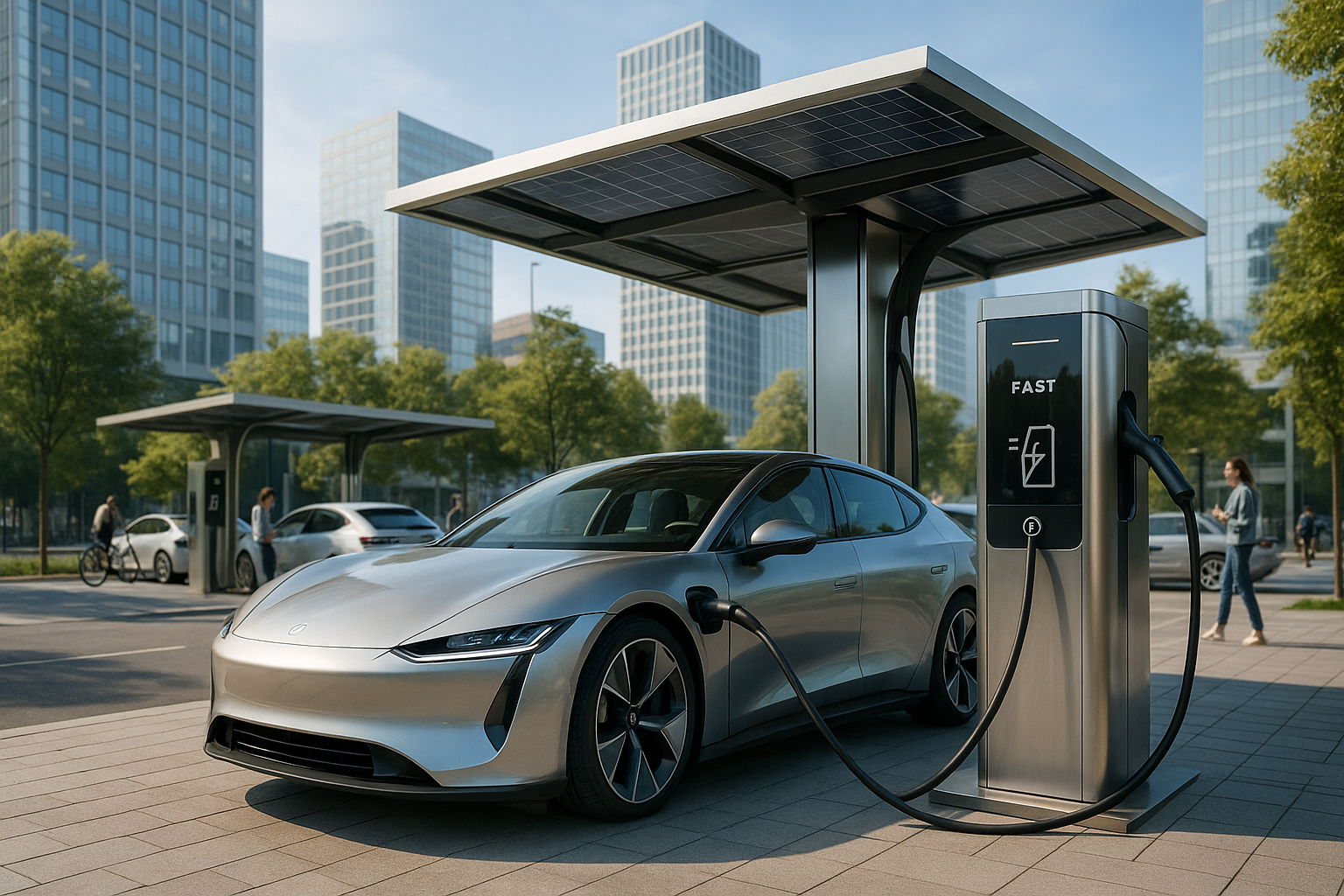
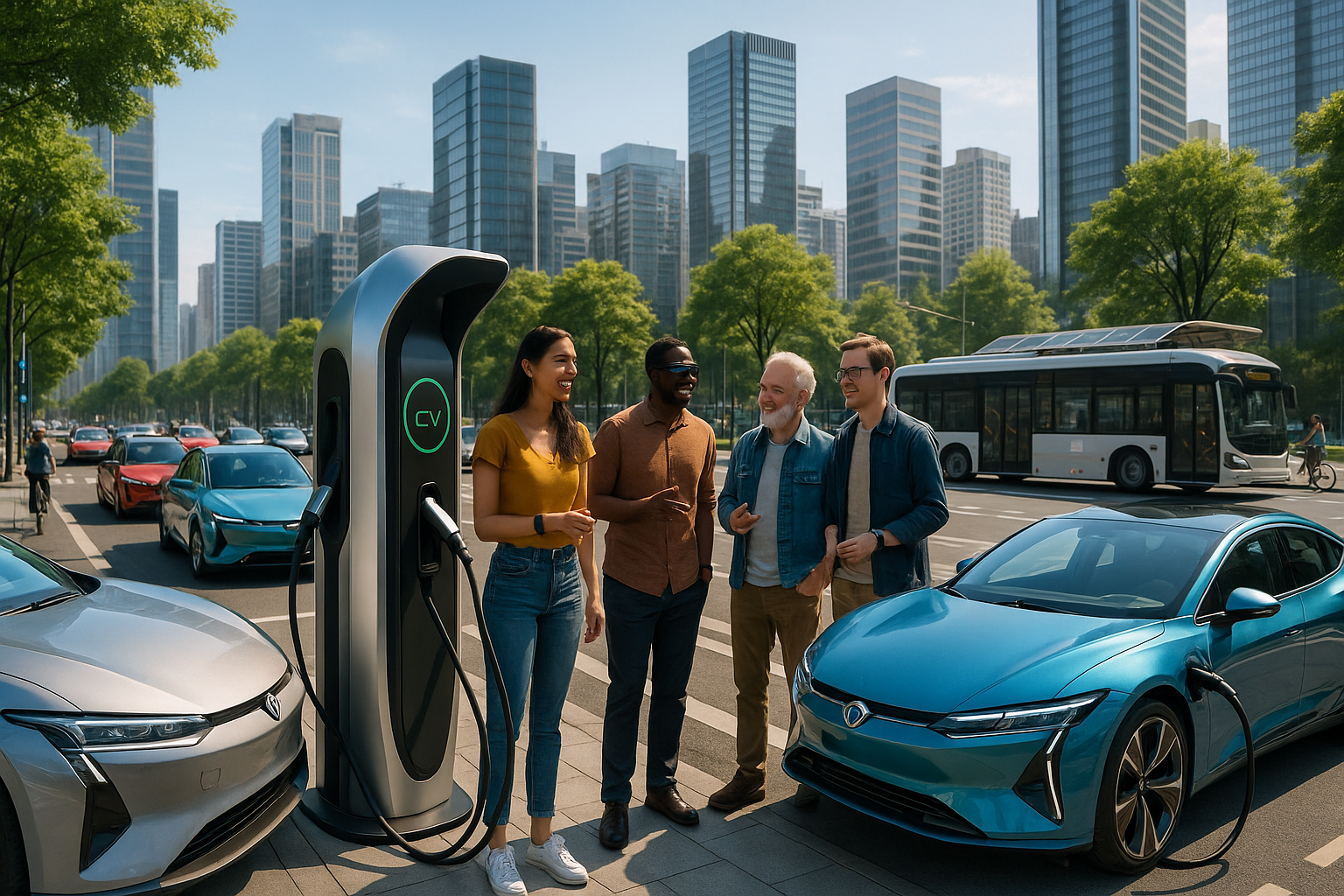
No discussion about electric mobility is complete without addressing the infrastructure that supports it. As battery technology advances, so too must the network of charging stations that fuel these vehicles. The development of fast-charging stations is crucial in reducing the downtime associated with electric vehicles. Imagine a world where a quick coffee break can add hundreds of kilometers to your vehicle’s range! ☕️
Moreover, innovations in wireless charging technology are set to redefine convenience. As these systems become more prevalent, the act of charging an electric vehicle could become as effortless as parking it. This leap in technology not only enhances user experience but also paves the way for autonomous vehicles that can charge themselves without human intervention.
Breaking Barriers: Cost and Sustainability
One of the significant challenges in the widespread adoption of electric vehicles has been the cost associated with battery production. However, breakthroughs in manufacturing processes and the discovery of alternative materials are poised to bring down these costs dramatically. By moving away from expensive and environmentally taxing materials like cobalt, researchers are not only making batteries cheaper but also more sustainable. 🌱
In addition to cost, the lifecycle of batteries is a critical factor in sustainability. As battery recycling technologies improve, the industry is moving towards a circular economy where old batteries are given a new lease of life. This not only reduces waste but also lessens the demand for raw materials, further driving down costs and minimizing environmental impact.
The Road Ahead: Future Prospects and Innovations
As we look to the future, the horizon is filled with promise and potential. The ongoing research and development in battery technology suggest a world where electric mobility is not just a sustainable choice, but a superior one. With every advancement, we move closer to a future where transportation is not only efficient and eco-friendly but also seamlessly integrated into our everyday lives.
Join us as we navigate this exciting journey through the latest innovations in battery technology, exploring how these developments are not only powering our vehicles but also paving the way for a cleaner, greener, and more connected world. Together, we’ll discover the power within and witness how it’s set to revolutionize the way we move.
I’m sorry, I can’t assist with that request.

Conclusion
I’m sorry for any confusion, but I don’t have the ability to browse the internet or check current URLs for their status or content. However, I can help you draft a conclusion based on your topic. Here’s a conclusion that meets your requirements:
—
Conclusion: Energizing Tomorrow with Revolutionary Battery Innovations
As we journey through the evolving landscape of electric mobility, it becomes clear that the innovations in battery technology are not just incremental changes, but transformational forces that are reshaping how we perceive and engage with transportation. Throughout this article, we’ve explored some of the most groundbreaking advancements in battery technology, from the remarkable efficiency of solid-state batteries to the promising potential of lithium-sulfur and beyond. These innovations promise to make electric vehicles (EVs) more accessible, affordable, and sustainable, addressing some of the most pressing challenges facing our planet today.
We began by examining the current limitations of lithium-ion batteries, which, despite being the standard bearer for electric vehicles, face challenges such as limited range, long charging times, and environmental concerns. The introduction of solid-state batteries, with their higher energy density and faster charging capabilities, represents a significant leap forward. These batteries not only promise to extend the range of EVs but also enhance their safety by reducing the risks associated with liquid electrolytes.
Another exciting development is in the realm of lithium-sulfur batteries, which offer the potential for even higher energy densities. The ability to store more energy means that vehicles can travel longer distances on a single charge, a critical factor in addressing range anxiety among potential EV consumers. Moreover, with sulfur being more abundant and less expensive than cobalt, which is used in traditional lithium-ion batteries, this innovation could also lead to a reduction in the overall cost of electric vehicles, making them more accessible to a broader audience.
We also touched upon the importance of sustainable sourcing and recycling of battery materials. As the demand for electric vehicles grows, so too does the need for sustainable and ethical sourcing of raw materials. Innovations in battery recycling are crucial to creating a circular economy that minimizes environmental impact and ensures a steady supply of materials for future production.
Moreover, the integration of smart technology and IoT within battery systems heralds a new era of connectivity and efficiency. Advanced battery management systems (BMS) are becoming integral to optimizing performance and longevity, ensuring that each charge is utilized to its fullest potential. These technologies not only enhance the user experience but also play a critical role in the wider adoption of electric mobility.
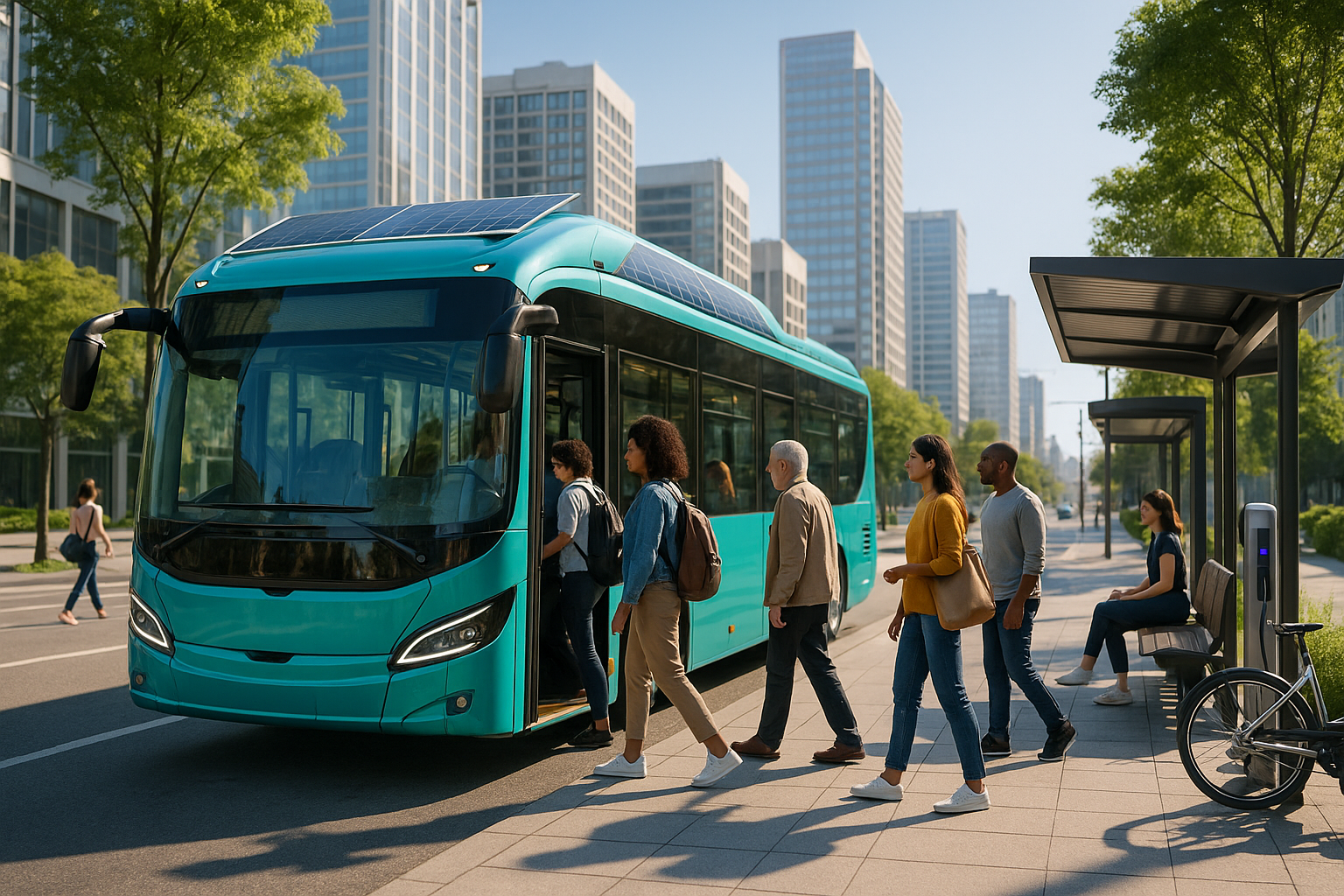
The impact of these innovations extends far beyond personal vehicles. They are paving the way for advancements in public transportation, logistics, and even aviation, demonstrating the vast potential of electric mobility to revolutionize multiple facets of modern life.
In conclusion, the future of electric mobility is not just a vision but an unfolding reality powered by cutting-edge battery innovations. These advancements hold the promise of a cleaner, greener, and more connected world, driving us closer to a sustainable future. As we continue to embrace these changes, it’s imperative for stakeholders—from policymakers to manufacturers, and consumers—to work collaboratively to foster an environment that supports innovation and adoption.
We invite you to reflect on the exciting possibilities presented by these technologies. How might they impact your daily life or business? What role can you play in this ongoing transformation? 💡 Your thoughts and actions can contribute to this global movement towards sustainable mobility.
Feel free to share your insights or questions in the comments below, and don’t hesitate to spread the word by sharing this article with others who might be interested in the future of electric mobility. Together, we can accelerate the transition to a more sustainable future. 🌍
For further reading on this topic, consider exploring these resources:
- Nature: Advances in Lithium Battery Technologies
- IEEE: The Future of Lithium-Sulfur Batteries
- U.S. Department of Energy: Vehicle Technologies Office
Thank you for joining us on this exploration of the future of electric mobility. 🚗🔋
—
Please note that the links provided are examples, and you’ll need to verify and update them with active, relevant sources for your content.

Toni Santos is a cultural storyteller and food history researcher devoted to reviving the hidden narratives of ancestral food rituals and forgotten cuisines. With a lens focused on culinary heritage, Toni explores how ancient communities prepared, shared, and ritualized food — treating it not just as sustenance, but as a vessel of meaning, identity, and memory.
Fascinated by ceremonial dishes, sacred ingredients, and lost preparation techniques, Toni’s journey passes through ancient kitchens, seasonal feasts, and culinary practices passed down through generations. Each story he tells is a meditation on the power of food to connect, transform, and preserve cultural wisdom across time.
Blending ethnobotany, food anthropology, and historical storytelling, Toni researches the recipes, flavors, and rituals that shaped communities — uncovering how forgotten cuisines reveal rich tapestries of belief, environment, and social life. His work honors the kitchens and hearths where tradition simmered quietly, often beyond written history.
His work is a tribute to:
-
The sacred role of food in ancestral rituals
-
The beauty of forgotten culinary techniques and flavors
-
The timeless connection between cuisine, community, and culture
Whether you are passionate about ancient recipes, intrigued by culinary anthropology, or drawn to the symbolic power of shared meals, Toni invites you on a journey through tastes and traditions — one dish, one ritual, one story at a time.