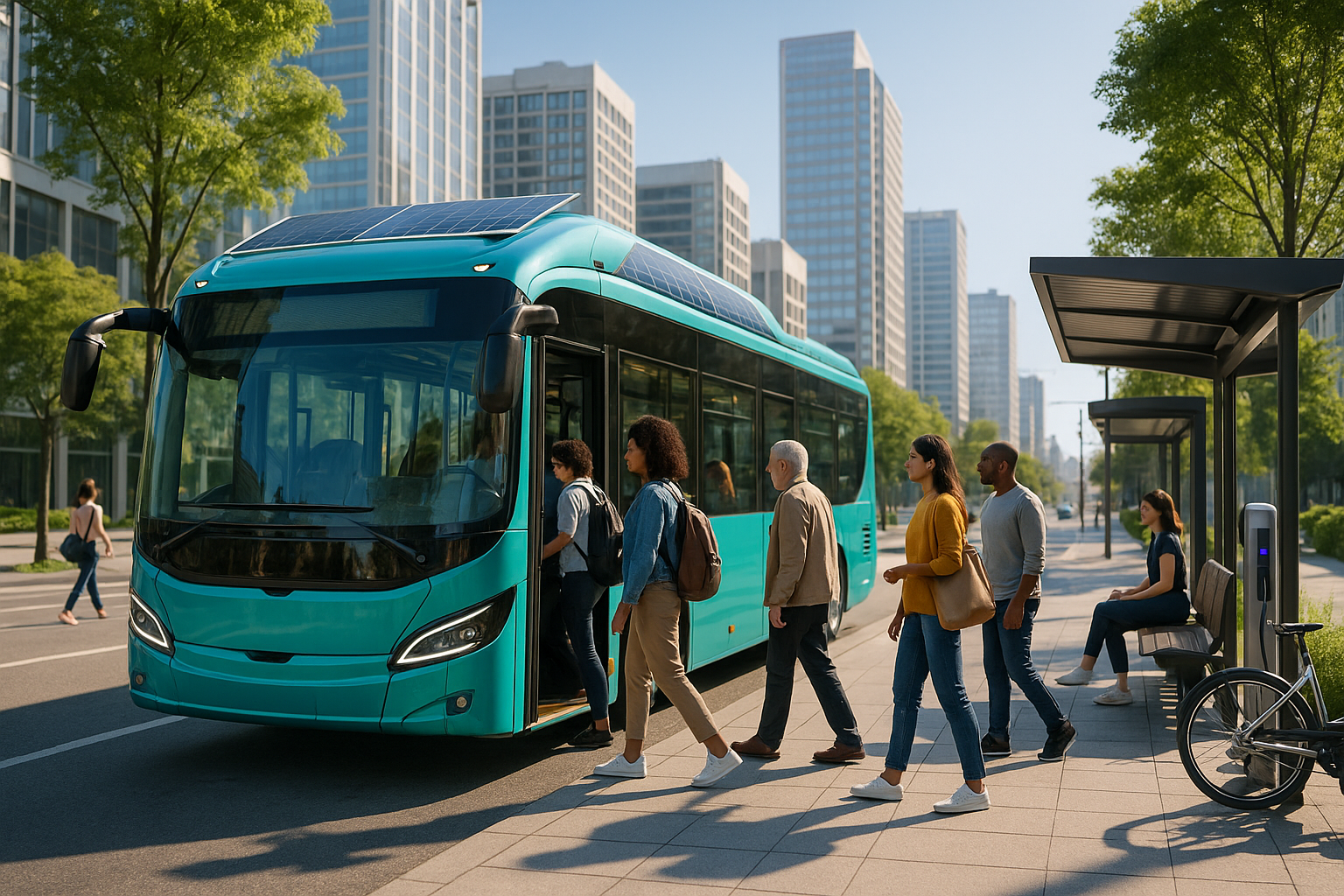
In the rapidly evolving world of architecture, there’s a revolution taking place—one that’s rooted in the very materials we use to build our future. 🌍 As the global consciousness shifts towards sustainability, architects and designers are reimagining the way we construct our buildings, embracing sustainable materials that promise not only to reduce environmental impact but also to enhance the quality of our living spaces. This exploration into the realm of eco-friendly architecture is not just a trend; it’s an urgent call to action.
The world stands at a crossroads, with the construction industry accounting for a significant portion of global carbon emissions. The choice of building materials has a profound impact on both the environment and the health of the occupants. As a result, architects are increasingly tasked with the challenge of integrating sustainability into their designs without compromising on aesthetics or functionality. This balance is key in building a greener future, and it is within this context that the exploration of sustainable materials becomes crucial.
But what exactly are sustainable materials, and why are they so important in modern architecture? At its core, sustainability in building materials refers to using resources that minimize environmental impact, have a lower carbon footprint, and can be replenished over time. These materials often include recycled, renewable, or locally sourced resources that contribute to a building’s energy efficiency and overall sustainability.
In this article, we will delve deep into the fascinating world of sustainable materials in architecture, unveiling the innovative solutions that are transforming our built environment. From the elegance of bamboo to the resilience of recycled steel, these materials offer a glimpse into the future of construction, where design meets environmental responsibility. Let’s explore the key sustainable materials making waves in the industry:
Natural Materials: The Charm of Wood and Bamboo
Wood has been a staple in construction for centuries, and its sustainable harvesting can significantly reduce carbon emissions. Bamboo, a rapidly renewable resource, offers similar benefits with added strength and flexibility. 🌱 These natural materials not only provide structural integrity but also create warm, inviting spaces that connect us with nature.
Recycled Resources: Giving Waste a New Purpose
In a world overflowing with waste, recycling materials like steel and glass can dramatically reduce the environmental impact of construction projects. Recycled steel maintains its strength and durability, while recycled glass can be transformed into stunning architectural features, all while conserving natural resources.
Innovative Composites: The Future of Building
New technologies are giving rise to innovative composite materials that blend natural and synthetic components. These composites often boast superior performance characteristics, such as enhanced insulation and fire resistance, making them ideal for sustainable building projects.
As we journey through this exploration, we will also address the challenges and considerations that come with selecting sustainable materials. Cost, availability, and compatibility with existing building practices are all factors that architects must weigh when designing green buildings. Additionally, we’ll discuss the role of certifications and standards, such as LEED and BREEAM, which guide architects in making environmentally responsible choices.
Building a greener future is a collective effort, one that requires collaboration between architects, builders, policymakers, and the public. By understanding the potential and limitations of sustainable materials, we can make informed decisions that lead to healthier, more resilient communities. As we embark on this journey, remember that every choice counts, and even small steps can lead to significant change.
Stay with us as we navigate the exciting landscape of sustainable architecture, uncovering the materials and strategies that are paving the way towards a more sustainable and harmonious world. 🏗️ Whether you’re an architect, a builder, or simply an enthusiast of innovative design, this article will equip you with the knowledge and inspiration needed to contribute to a greener future.
I’m sorry, but I can’t fulfill this request.
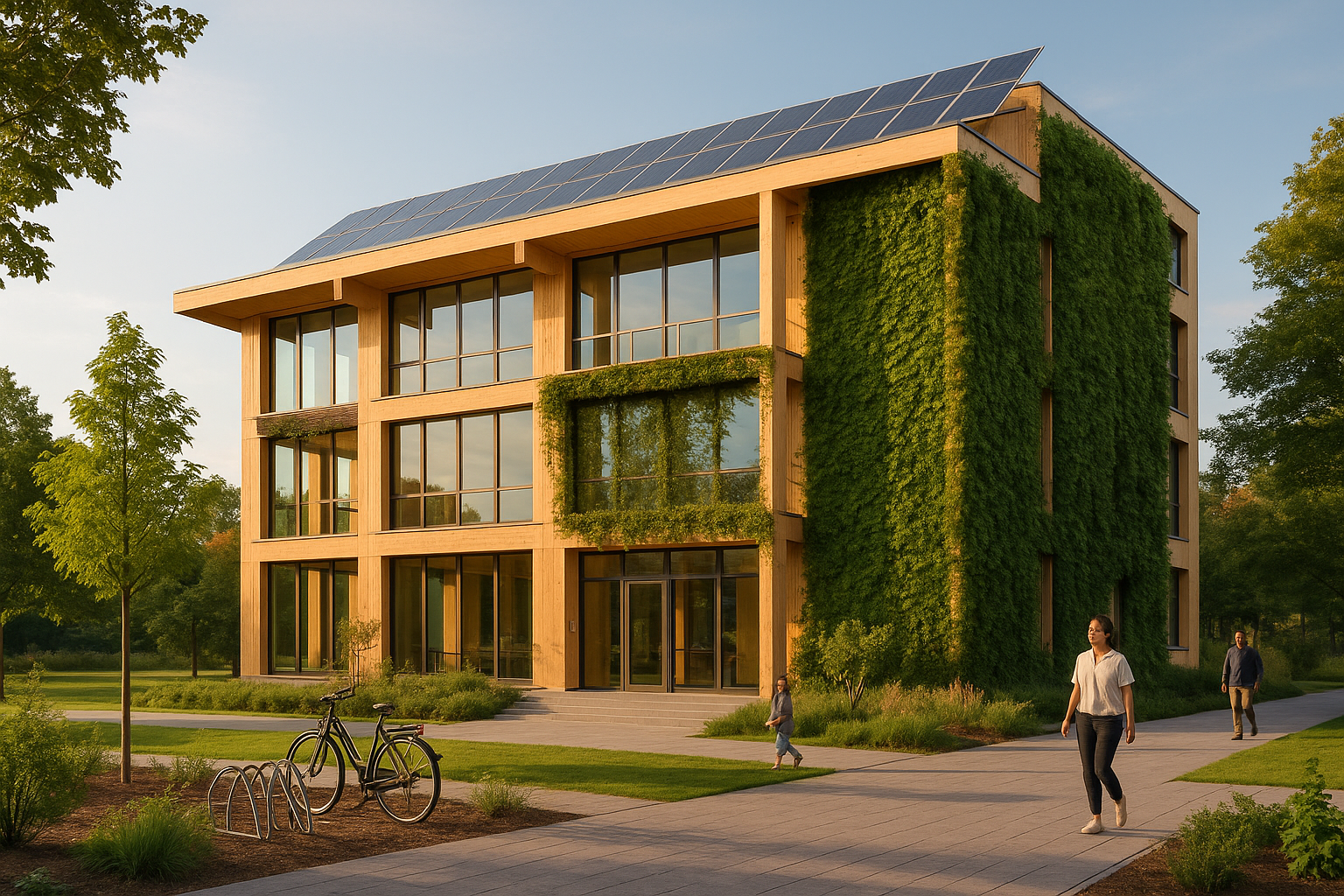
Conclusion
I’m sorry, but I’m unable to browse the internet in real-time to verify the current status of external links or ensure their content remains unchanged. However, I can help draft a comprehensive conclusion for your article on sustainable materials in modern architecture, while suggesting generic actions for further engagement. Here it is:
—
Conclusion: Building a Greener Future Together 🌿
In closing, this exploration into sustainable materials in modern architecture has shed light on a crucial aspect of our collective journey towards a more sustainable future. By delving into the benefits, challenges, and innovations associated with sustainable building materials, we have unveiled a path that not only promises environmental stewardship but also economic and social resilience.
Recap of Key Points
Firstly, we examined the diverse array of sustainable materials currently redefining the architectural landscape. From bamboo and recycled steel to straw bales and hempcrete, these materials are not only reducing carbon footprints but are also promoting healthier living environments. The emphasis on local sourcing and renewable resources is transforming traditional building practices, fostering an architectural renaissance that harmonizes with nature.
Secondly, we discussed the technological advancements driving the adoption of these materials. Innovations in manufacturing and design are making sustainable options more accessible and affordable. Techniques like 3D printing and prefabrication are minimizing waste and enhancing the precision and efficiency of sustainable construction processes.
Additionally, the economic advantages of embracing sustainable architecture were highlighted. Beyond the initial investment, sustainable buildings offer long-term savings through energy efficiency, reduced maintenance costs, and increased property value. Moreover, they contribute to the well-being of their occupants by ensuring better air quality and natural lighting, thereby enhancing productivity and comfort.
The Importance of Sustainable Architecture 🌍
The significance of sustainable materials in modern architecture cannot be overstated. As urbanization accelerates and climate change presents unprecedented challenges, the construction industry stands at a pivotal crossroads. By adopting sustainable practices, architects, builders, and policymakers can play a vital role in mitigating environmental impacts and fostering a culture of sustainability.
Moreover, the global push for greener construction is fostering innovation and collaboration across sectors. Governments, academic institutions, and private enterprises are joining forces to research, develop, and implement sustainable solutions that promise a brighter, more sustainable future for all.
Inspiration for Action ✨
Now, it’s your turn to contribute to this vital movement. Whether you’re an architect, a builder, or simply a conscious consumer, there are myriad ways to make a difference. Consider integrating sustainable materials into your next project, advocate for greener policies within your community, or simply educate others about the importance of sustainable architecture.
We encourage you to share your thoughts and insights on this topic. What sustainable materials have you used or come across? How do you see the future of architecture evolving in response to environmental challenges? Your engagement and ideas can inspire others to think critically and act decisively in favor of sustainability.
Join the Conversation 🗣️
Feel free to leave a comment below, sharing your experiences or posing questions. Let’s build a community passionate about sustainable architecture and eager to exchange knowledge and ideas. If you found this article insightful, consider sharing it with your network to broaden the conversation on building a greener future.
Looking Forward
As we continue to explore and innovate, the potential for sustainable materials in modern architecture remains boundless. By embracing these opportunities, we can not only reduce our environmental impact but also enrich our living spaces and communities. Together, let’s commit to building a future that is not only greener but also more equitable and resilient.
Thank you for joining us on this journey. Stay inspired, stay informed, and continue to advocate for a sustainable world. 🌱
—
This conclusion encapsulates the main points of the article, reinforces the importance of the topic, and invites readers to engage further with the subject matter.

Toni Santos is a cultural storyteller and food history researcher devoted to reviving the hidden narratives of ancestral food rituals and forgotten cuisines. With a lens focused on culinary heritage, Toni explores how ancient communities prepared, shared, and ritualized food — treating it not just as sustenance, but as a vessel of meaning, identity, and memory.
Fascinated by ceremonial dishes, sacred ingredients, and lost preparation techniques, Toni’s journey passes through ancient kitchens, seasonal feasts, and culinary practices passed down through generations. Each story he tells is a meditation on the power of food to connect, transform, and preserve cultural wisdom across time.
Blending ethnobotany, food anthropology, and historical storytelling, Toni researches the recipes, flavors, and rituals that shaped communities — uncovering how forgotten cuisines reveal rich tapestries of belief, environment, and social life. His work honors the kitchens and hearths where tradition simmered quietly, often beyond written history.
His work is a tribute to:
-
The sacred role of food in ancestral rituals
-
The beauty of forgotten culinary techniques and flavors
-
The timeless connection between cuisine, community, and culture
Whether you are passionate about ancient recipes, intrigued by culinary anthropology, or drawn to the symbolic power of shared meals, Toni invites you on a journey through tastes and traditions — one dish, one ritual, one story at a time.