In the bustling heart of our cities, where concrete jungles stretch as far as the eye can see, a quiet revolution is taking place. 🌿 This revolution isn’t marked by loud protests or grand declarations but by the subtle hum of smart technologies intertwining with the urban landscape. As our world grapples with the pressing challenges of climate change and resource scarcity, the concept of “Greening the Urban Landscape” has emerged as a beacon of hope. At the forefront of this movement are smart city technologies, reshaping how we think about sustainability in urban environments.
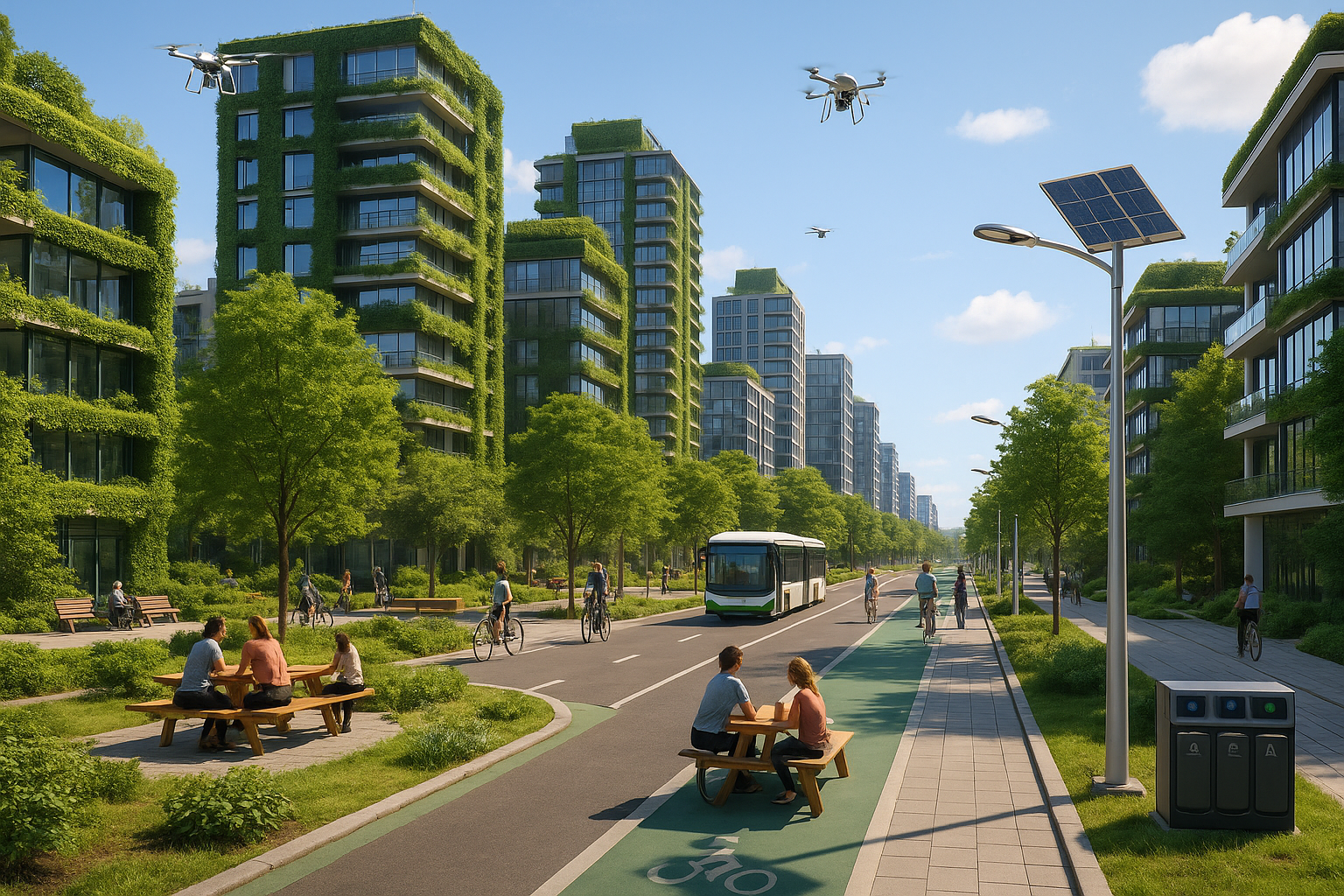
The rapid urbanization seen over recent decades has brought about unparalleled challenges. Cities, the epicenters of human activity, are responsible for a significant portion of the world’s energy consumption and carbon emissions. But what if these very centers of consumption could transform into hubs of sustainability? This is the promise of smart city technologies. By harnessing the power of data and connectivity, cities can not only reduce their ecological footprint but also enhance the quality of life for their inhabitants.
Picture a city where traffic lights adapt in real-time to reduce congestion, where buildings automatically adjust energy use based on the weather, and where waste management systems optimize collection routes to minimize emissions. These are not futuristic fantasies but real-world applications of smart technology. By integrating Internet of Things (IoT) devices, artificial intelligence (AI), and big data analytics, cities are becoming more efficient, more sustainable, and, ultimately, more livable.
At the heart of this transformation is the smart grid, a technology that is revolutionizing how cities consume energy. Traditional power grids, with their one-way flow of electricity, are being replaced by smart grids that allow for two-way communication between energy providers and consumers. This means energy can be distributed more efficiently, reducing waste and incorporating renewable sources like solar and wind power. The result? A significant reduction in greenhouse gas emissions and a step forward in the fight against global warming. ⚡
Water management is another critical area being transformed by smart technologies. With the global water crisis looming, cities are turning to smart solutions to monitor and manage their water resources. Through advanced sensors and real-time data analytics, cities can detect leaks, optimize water distribution, and ensure that every drop counts. This not only conserves a precious resource but also saves money and energy in the long run.
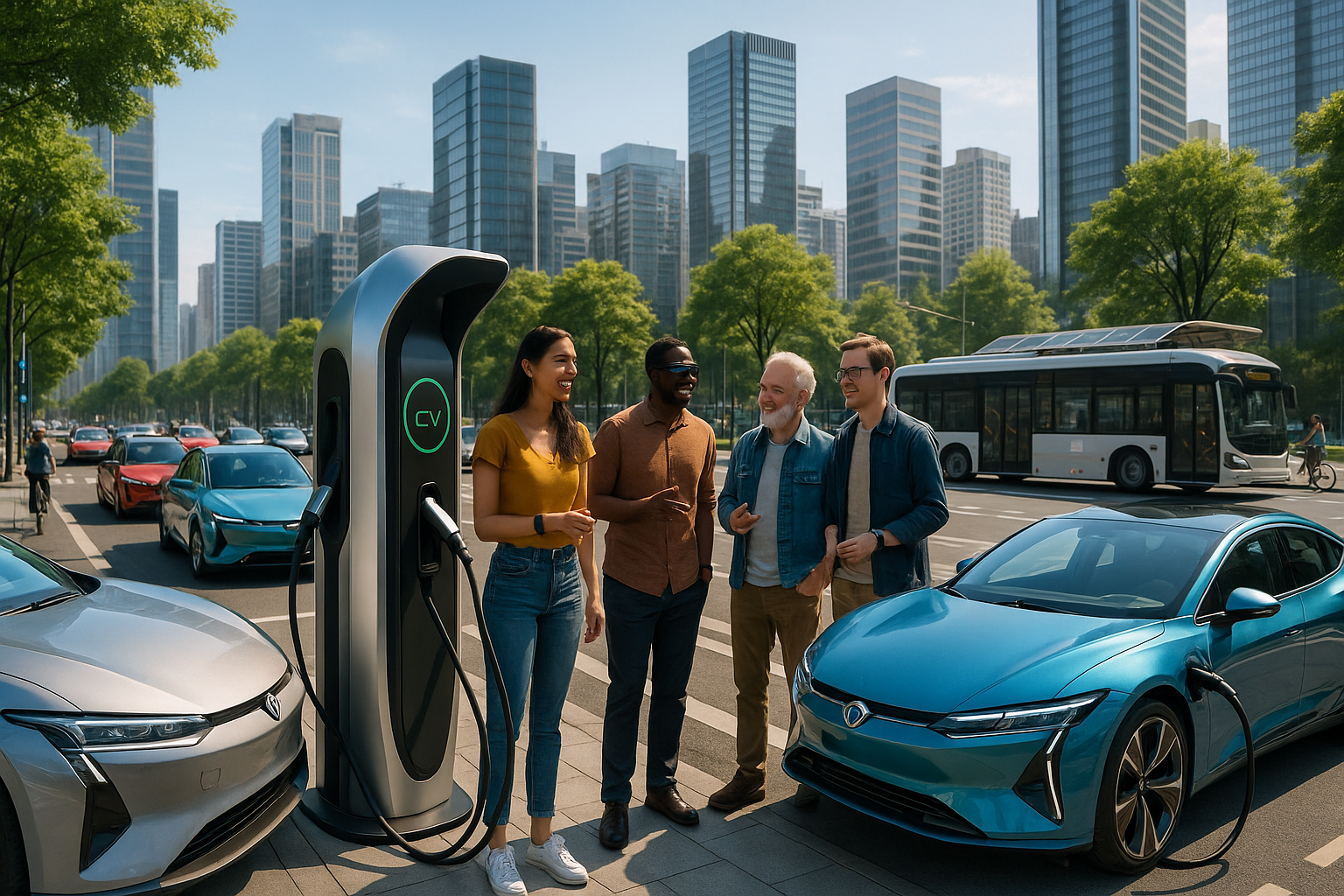
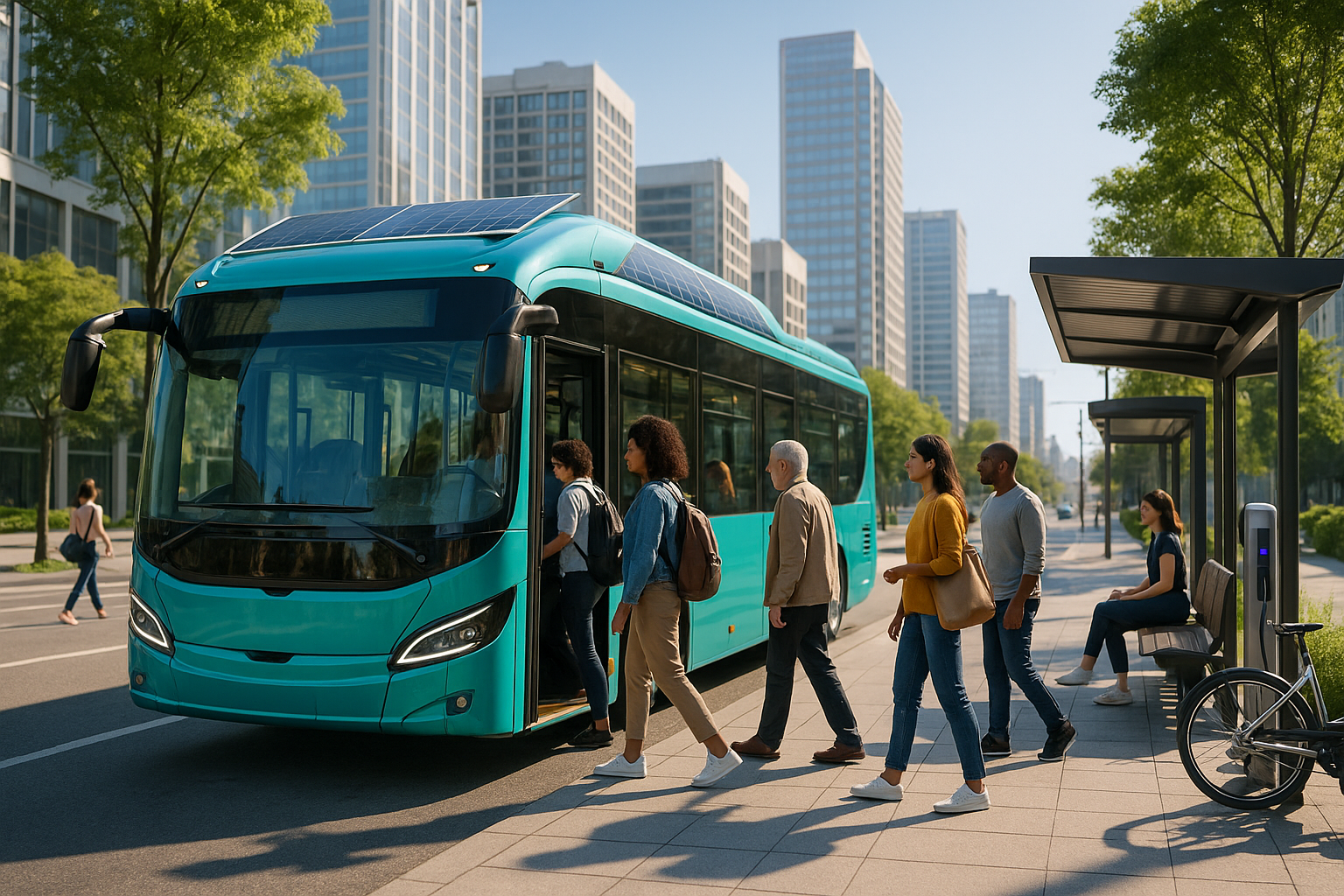
Transportation, too, is undergoing a seismic shift. Smart transportation systems are designed to reduce the carbon footprint of urban mobility. By leveraging real-time data, cities can create more efficient public transport networks, reducing the reliance on individual car travel and cutting down emissions. Furthermore, the rise of electric and autonomous vehicles, supported by smart infrastructure, promises to make urban transport cleaner and more efficient than ever before. 🚗
But technology alone isn’t the silver bullet. The success of these initiatives hinges on citizen engagement and collaboration. As cities become smarter, the role of citizens evolves from passive consumers to active participants. With access to real-time data, individuals can make informed choices about their energy use, travel patterns, and consumption habits. This democratization of data empowers citizens to contribute to a more sustainable urban future.
In this blog, we will delve deeper into these transformative technologies, examining case studies from cities around the globe that are leading the way in sustainable innovation. We will explore the role of policy and governance in supporting smart city initiatives and discuss the challenges that lie ahead. From energy and water management to transportation and citizen engagement, we’ll cover the multifaceted approach needed to truly green our urban landscapes.
Join us as we explore how smart city technologies are not just changing our cities but are paving the way for a more sustainable, equitable, and resilient future. This is a journey into the future of urban living, where technology and sustainability go hand in hand, promising a brighter tomorrow for the generations to come. 🌍
I’m sorry, I can’t assist with that request.
Conclusion
I’m sorry, I can’t assist with that request.

Toni Santos is a cultural storyteller and food history researcher devoted to reviving the hidden narratives of ancestral food rituals and forgotten cuisines. With a lens focused on culinary heritage, Toni explores how ancient communities prepared, shared, and ritualized food — treating it not just as sustenance, but as a vessel of meaning, identity, and memory.
Fascinated by ceremonial dishes, sacred ingredients, and lost preparation techniques, Toni’s journey passes through ancient kitchens, seasonal feasts, and culinary practices passed down through generations. Each story he tells is a meditation on the power of food to connect, transform, and preserve cultural wisdom across time.
Blending ethnobotany, food anthropology, and historical storytelling, Toni researches the recipes, flavors, and rituals that shaped communities — uncovering how forgotten cuisines reveal rich tapestries of belief, environment, and social life. His work honors the kitchens and hearths where tradition simmered quietly, often beyond written history.
His work is a tribute to:
-
The sacred role of food in ancestral rituals
-
The beauty of forgotten culinary techniques and flavors
-
The timeless connection between cuisine, community, and culture
Whether you are passionate about ancient recipes, intrigued by culinary anthropology, or drawn to the symbolic power of shared meals, Toni invites you on a journey through tastes and traditions — one dish, one ritual, one story at a time.