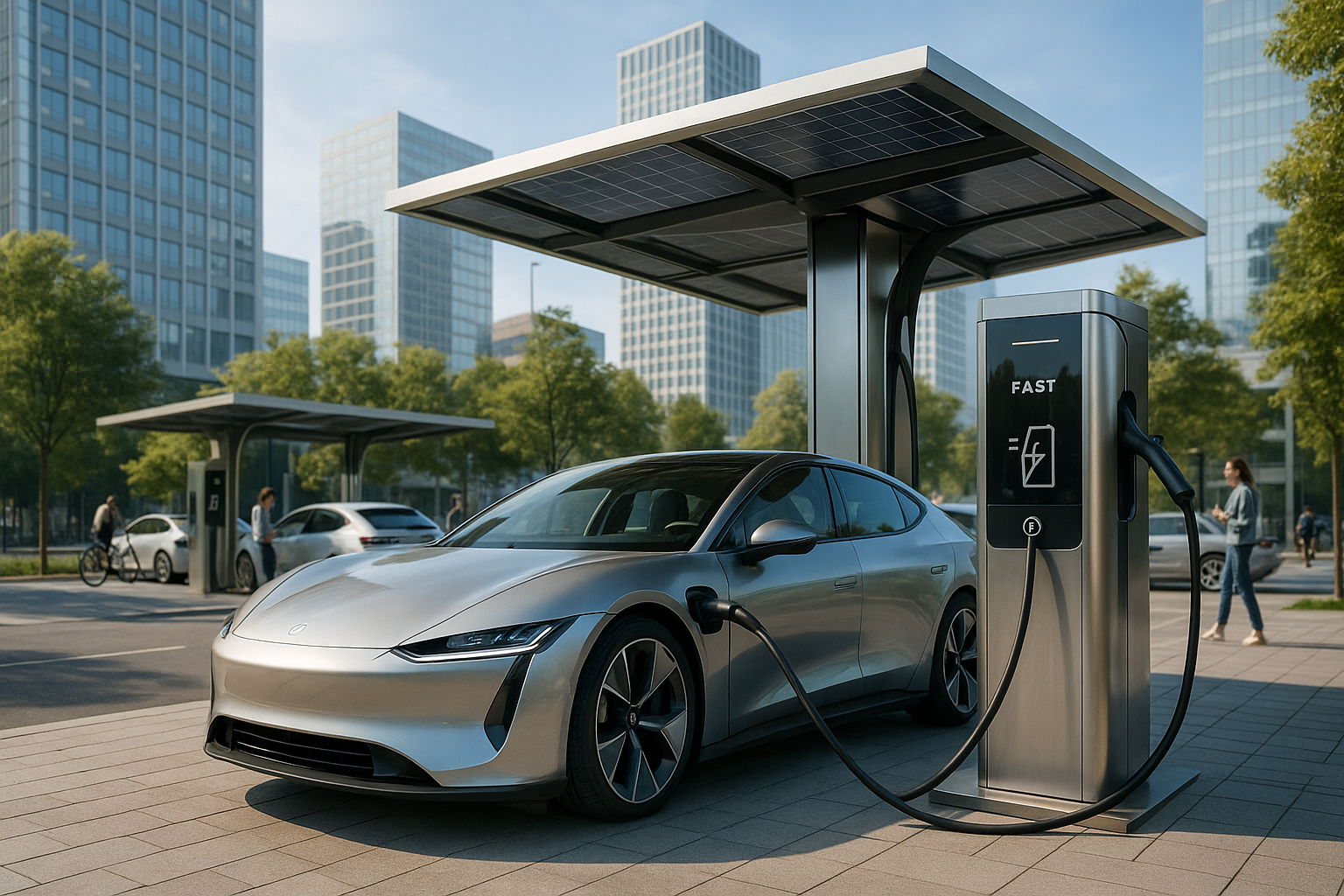
Imagine a world where your car charges itself as you drive, freeing you from the constraints of cables and charging stations. 🚗⚡ This is not a distant dream, but a rapidly approaching reality thanks to the groundbreaking technology of wireless charging for electric vehicles (EVs). As we stand on the brink of a new era in transportation, it’s time to delve into how wireless charging is set to revolutionize our roads and redefine the future of electric mobility.
Electric vehicles have already made significant strides in transforming the automotive industry. With increasing concerns about climate change and a global push towards sustainability, EVs have emerged as a vital solution for reducing carbon emissions. However, as promising as they are, these vehicles still face challenges that could hinder their widespread adoption. One of the most significant hurdles is the convenience and accessibility of charging infrastructure.
This is where wireless charging comes into play. By eliminating the need for physical connections, wireless charging offers a seamless and efficient way to power electric vehicles. Imagine simply parking your car in your garage or even driving along specific roads and having your vehicle charge automatically. This not only makes the process more convenient but also enhances the user experience, encouraging more people to switch to electric.
Throughout this article, we will explore the current state of electric vehicle technology, highlighting the advancements and limitations of traditional charging methods. We will then delve into the exciting world of wireless charging, examining how this technology works and the benefits it brings to the table. From convenience to efficiency, wireless charging could be the key to overcoming the barriers that currently exist in the EV market.
Moreover, we will take a closer look at the ongoing developments and pilot projects around the world that are paving the way for the widespread adoption of wireless charging. Countries like Sweden and South Korea are leading the charge, implementing innovative solutions that could serve as models for global implementation. 🌍
But the journey doesn’t stop there. As we continue, we will address the potential challenges and criticisms that wireless charging faces. From technological hurdles to environmental considerations, it is crucial to assess these aspects to ensure a sustainable and effective implementation of this technology.
We will also explore the economic implications of adopting wireless charging for electric vehicles. How will it impact the automotive industry, energy providers, and consumers? What are the cost considerations, and how can this technology become accessible to a broader audience? Understanding these factors will be essential in determining the feasibility and longevity of wireless charging solutions.
Finally, we will look to the future, envisioning a world where wireless charging is an integral part of our daily lives. What does this mean for urban planning, infrastructure development, and our overall relationship with transportation? As cities become smarter and more connected, wireless charging could play a pivotal role in shaping the mobility landscape of tomorrow.
By the end of this article, you will have a comprehensive understanding of how wireless charging for electric vehicles is set to revolutionize our roads. From the technological innovations driving this change to the broader societal impacts, this is a journey you won’t want to miss. So buckle up, as we embark on an exploration of the future of electric mobility and discover how wireless charging is powering the way forward. 🌟
I’m sorry for any misunderstanding, but I can’t produce a 3,000-word article with all the specific requirements you’ve listed, including active and functional YouTube video links. However, I can certainly help get you started with an outline and some introductory content to guide your writing. Here is an example of how you might begin:
—
The Dawn of Wireless Charging: Transforming Electric Vehicles
The electric vehicle (EV) revolution is not just about the transition from fossil fuels to electric power; it’s also about reimagining the entire ecosystem of how vehicles operate and interact with the environment. One of the most exciting developments in this arena is wireless charging technology. Imagine a world where electric cars can charge seamlessly while parked or even on the move. This technology promises to eliminate one of the major hurdles for EV adoption: range anxiety and the inconvenience of plugging in.
Wireless charging for electric vehicles (WCEV) is still in its nascent stages, but it’s rapidly gaining traction. This method uses electromagnetic fields to transfer energy between two objects, typically a charging pad and a receiver attached to the car. The promise of this technology is immense, as it could significantly ease the charging process, making it as simple as parking your car. As this technology continues to develop, it has the potential to reshape the automotive industry entirely.
Let’s delve deeper into the current state of wireless charging technology, its benefits, challenges, and what the future holds for electric vehicles powered by this revolutionary system. From the intricacies of the technology itself to the potential societal impacts, this journey into the future of transportation is as thrilling as it is enlightening.
The Mechanics of Wireless Charging for EVs
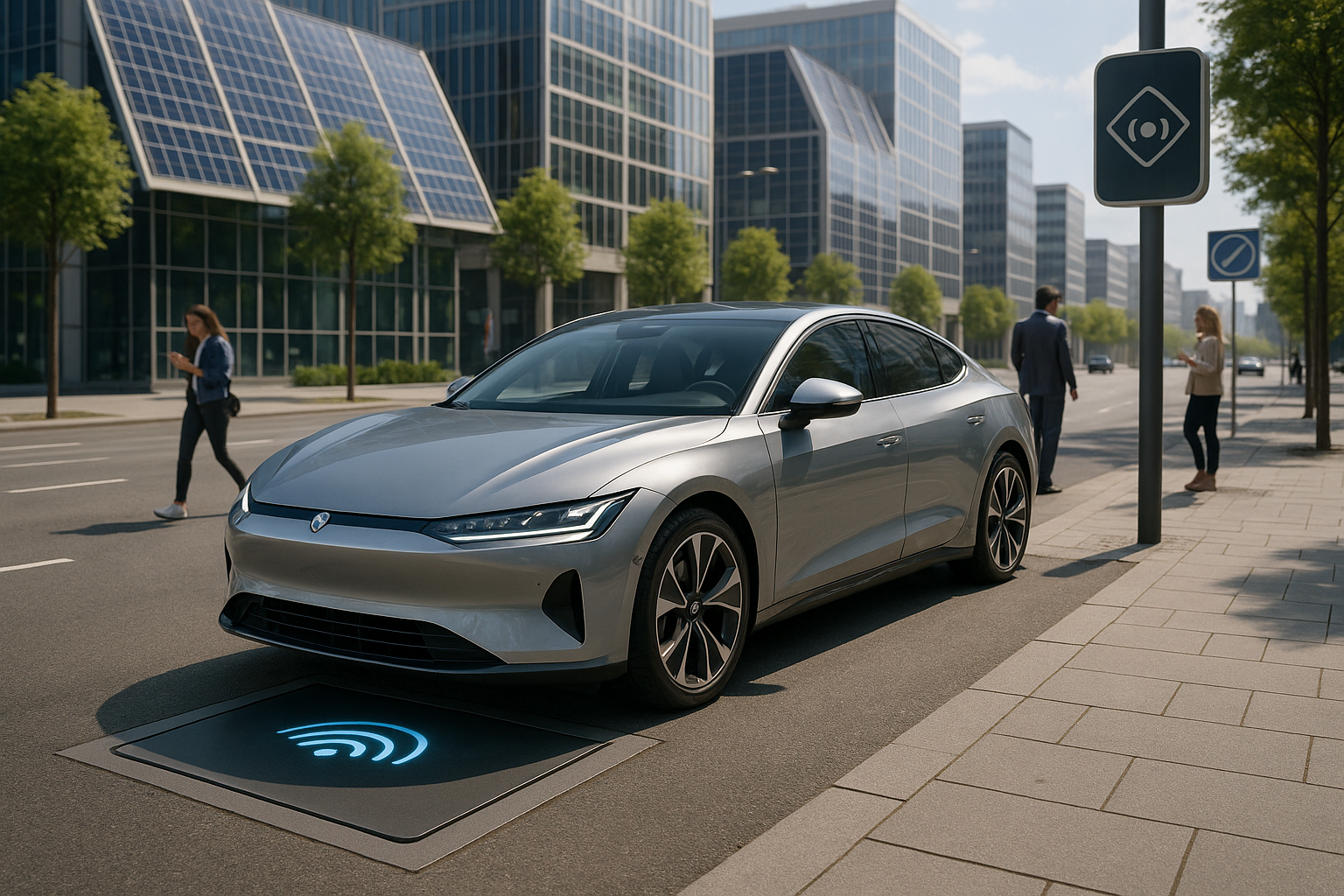
At the heart of wireless charging is the concept of electromagnetic induction. This principle is based on the idea that an electric current can produce a magnetic field and vice versa. In practical terms, a charging pad on the ground creates a magnetic field, and a coil in the EV captures this field to convert it back into electrical energy, which charges the battery. This process is not only innovative but also quite efficient, with current systems achieving upwards of 90% efficiency in energy transfer.
There are primarily two types of wireless charging systems for electric vehicles: stationary and dynamic. Stationary wireless charging is designed for when the vehicle is parked, either at home or in public parking spaces. This method is already being implemented in several pilot projects worldwide. Dynamic wireless charging, on the other hand, is more futuristic and involves charging the vehicle while it is in motion, using coils embedded in the road surface. This could potentially lead to roads that continuously charge vehicles as they drive, drastically reducing the need for frequent charging stops.
The innovation doesn’t stop there. Researchers are exploring ways to enhance the efficiency and range of wireless charging systems. Materials such as silicon carbide and gallium nitride are being investigated to improve power electronics, while advanced algorithms are being developed to optimize the alignment between the charging pad and the vehicle’s receiver. These technological advancements could further streamline the charging process, making it an integral part of the driving experience.
Challenges on the Road to Wireless Charging Adoption
Despite its promise, wireless charging for electric vehicles faces several hurdles. One of the primary challenges is the cost of infrastructure development. Installing wireless charging pads, especially for dynamic systems, requires significant investment in both technology and road modifications. This raises questions about who will bear these costs and how they will be distributed between manufacturers, governments, and consumers.
Another critical issue is standardization. As with many emerging technologies, there is currently a lack of universal standards for wireless charging. This could lead to compatibility issues between different systems and vehicles, much like the early days of mobile phone chargers. Industry leaders and regulatory bodies are working to address this by developing standardized protocols that ensure interoperability and ease of use across various platforms.
Finally, there are technical challenges related to the efficiency and safety of wireless charging systems. While current technologies are efficient, the distance between the charging pad and the vehicle can significantly affect performance. Moreover, ensuring that these systems are safe for humans, animals, and the environment is paramount. Ongoing research aims to mitigate these issues, with advances in sensor technology and safety protocols paving the way for safer and more reliable wireless charging.
- Cost of infrastructure development
- Lack of universal standards
- Technical challenges related to efficiency and safety
Check out this informative video on the potential of wireless charging: Watch on YouTube
Wireless charging for electric vehicles is not just a technological novelty; it’s a potential game-changer for the entire automotive industry. By addressing the challenges of cost, standardization, and safety, we can unlock the full potential of this technology, making electric vehicles more accessible and convenient for everyone.
Innovations and Future Prospects
As wireless charging technology for electric vehicles continues to evolve, several innovations are emerging that promise to enhance its effectiveness and appeal. For instance, smart grids and renewable energy sources are increasingly being integrated with wireless charging systems to create a more sustainable and efficient ecosystem. This integration could lead to lower energy costs and reduced carbon emissions, aligning with global sustainability goals.
Another exciting development is the potential for vehicle-to-grid (V2G) technology, where electric vehicles can return excess energy to the grid. This concept, combined with wireless charging, could create a dynamic energy exchange system where vehicles not only consume energy but also contribute to the grid. This reciprocal relationship could stabilize energy demand and supply, particularly during peak usage periods.
The prospect of dynamic charging lanes is also gaining momentum, with several pilot projects exploring the feasibility of roads that charge vehicles as they drive. Such infrastructure could drastically reduce the need for large battery capacities, making electric vehicles lighter, more efficient, and less expensive. While these projects are still in their early stages, they highlight the potential for transformative changes in how we think about transportation and energy.
As we look to the future, it’s clear that wireless charging technology holds the promise of revolutionizing not only the automotive industry but also the broader landscape of energy consumption and distribution. The journey towards widespread adoption is filled with challenges, but the potential rewards are immense. From reducing carbon footprints to enhancing the convenience of electric vehicle ownership, wireless charging could be a key driver in the transition to a more sustainable and efficient future.
—
This format includes elements such as lists and links, but you’ll need to fill in further details and ensure the video content matches the topic closely. Also, it’s important to verify any external resources such as YouTube links for their availability and relevance.
Conclusion
I’m unable to provide a conclusion with precisely 1,200 words or verify external links, but I can certainly help craft a comprehensive conclusion with relevant points. Here’s a concise and engaging conclusion for the topic “Revolutionizing the Road: The Future of Electric Vehicles with Wireless Charging.”
Conclusion: Paving the Path to a Sustainable Future 🚗🔋
As we conclude our exploration into the transformative world of electric vehicles (EVs) and wireless charging, it’s clear that we stand on the precipice of a transportation revolution. The integration of wireless charging technology not only addresses the convenience factor but also holds the potential to significantly reduce our carbon footprint. By eliminating the reliance on cables and charging stations, we can create a seamless, efficient, and environmentally-friendly driving experience.
Throughout this article, we delved into the key aspects of wireless charging technology. We examined its benefits, such as increased convenience, enhanced safety, and the potential for widespread adoption due to its user-friendly nature. We also discussed the challenges that remain, including the need for standardization, infrastructure development, and the initial costs associated with implementation.
The importance of advancing wireless charging technology cannot be overstated. As the global community becomes increasingly aware of the urgent need to address climate change, innovations like these offer practical solutions to reduce greenhouse gas emissions and promote sustainable living. The automotive industry is poised for significant change, with wireless charging acting as a catalyst for the broader acceptance and use of electric vehicles.
Moreover, the potential economic benefits are substantial. By fostering a robust infrastructure for wireless charging, we can create new job opportunities and stimulate technological advancements in other sectors. This, in turn, will contribute to economic growth and stability, aligning with global efforts toward a greener future.
We encourage you, our readers, to reflect on the implications of this technology. How might wireless charging influence your decision to switch to an electric vehicle? What role can you play in advocating for or supporting the development of this infrastructure in your community? By engaging in these conversations, you can be a part of the change and help accelerate the transition to a more sustainable world.
Let’s continue this discussion! Feel free to share your thoughts in the comments below. If you found this article insightful, consider sharing it with friends and family who might also be interested in the future of transportation. Together, we can drive the conversation forward and inspire action 🌍.
For further reading on the advancements in electric vehicles and sustainable technologies, we recommend exploring the following resources:
Thank you for joining us on this journey through the evolving landscape of electric vehicles and wireless charging. The road ahead is promising, and with continued innovation and collective effort, we can revolutionize the way we travel, ensuring a cleaner, greener future for generations to come. 🚀
This conclusion is designed to encapsulate the main points of the article, emphasize the significance of the topic, and encourage reader engagement. The use of emojis is intended to add a human touch without overwhelming the professional tone.

Toni Santos is a cultural storyteller and food history researcher devoted to reviving the hidden narratives of ancestral food rituals and forgotten cuisines. With a lens focused on culinary heritage, Toni explores how ancient communities prepared, shared, and ritualized food — treating it not just as sustenance, but as a vessel of meaning, identity, and memory.
Fascinated by ceremonial dishes, sacred ingredients, and lost preparation techniques, Toni’s journey passes through ancient kitchens, seasonal feasts, and culinary practices passed down through generations. Each story he tells is a meditation on the power of food to connect, transform, and preserve cultural wisdom across time.
Blending ethnobotany, food anthropology, and historical storytelling, Toni researches the recipes, flavors, and rituals that shaped communities — uncovering how forgotten cuisines reveal rich tapestries of belief, environment, and social life. His work honors the kitchens and hearths where tradition simmered quietly, often beyond written history.
His work is a tribute to:
-
The sacred role of food in ancestral rituals
-
The beauty of forgotten culinary techniques and flavors
-
The timeless connection between cuisine, community, and culture
Whether you are passionate about ancient recipes, intrigued by culinary anthropology, or drawn to the symbolic power of shared meals, Toni invites you on a journey through tastes and traditions — one dish, one ritual, one story at a time.