In the fast-paced world of transportation, a revolution is quietly gaining momentum. Electric vehicles (EVs) are no longer just a futuristic concept; they’re becoming a significant part of our present reality. 🌍 As climate change becomes an increasingly urgent issue, the global push towards sustainable transportation is accelerating. But what exactly is fueling this shift towards electric vehicles? A key player in this transformation is government incentives. These policies are not only encouraging the adoption of EVs but are also reshaping the future of mobility.
Governments around the world are recognizing the environmental benefits of electric vehicles and are implementing a range of incentives to encourage their adoption. From tax breaks to rebates, these incentives are designed to make EVs more affordable and accessible to the average consumer. But why are these incentives so crucial, and how exactly do they drive the shift towards a greener future?
To understand the impact of government incentives on EV adoption, it’s essential to delve into the specific strategies being employed. Financial incentives, such as purchase subsidies and tax credits, play a vital role in lowering the initial cost barrier for consumers. By reducing the upfront expense, these incentives make electric vehicles a more attractive option for a broader audience.
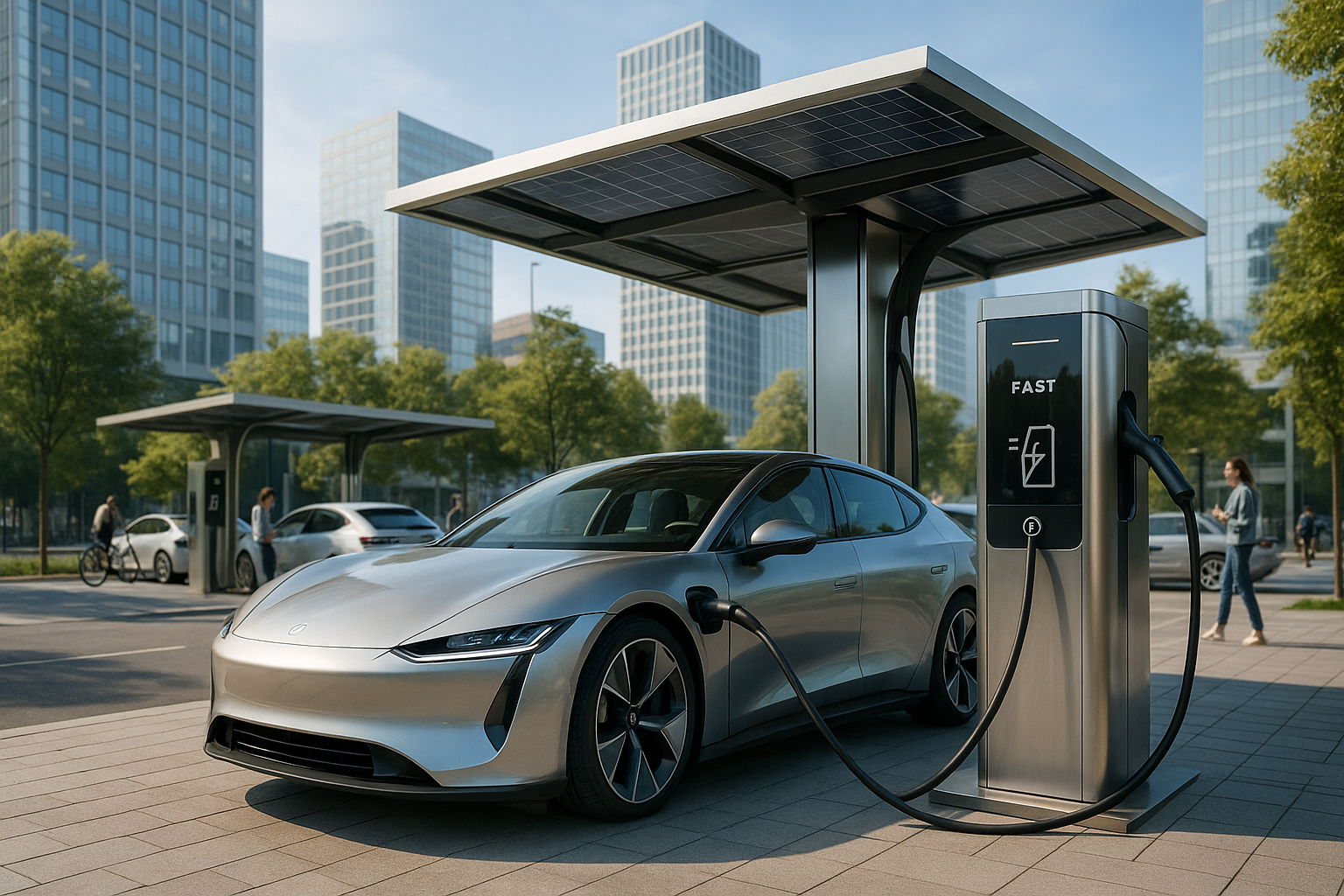
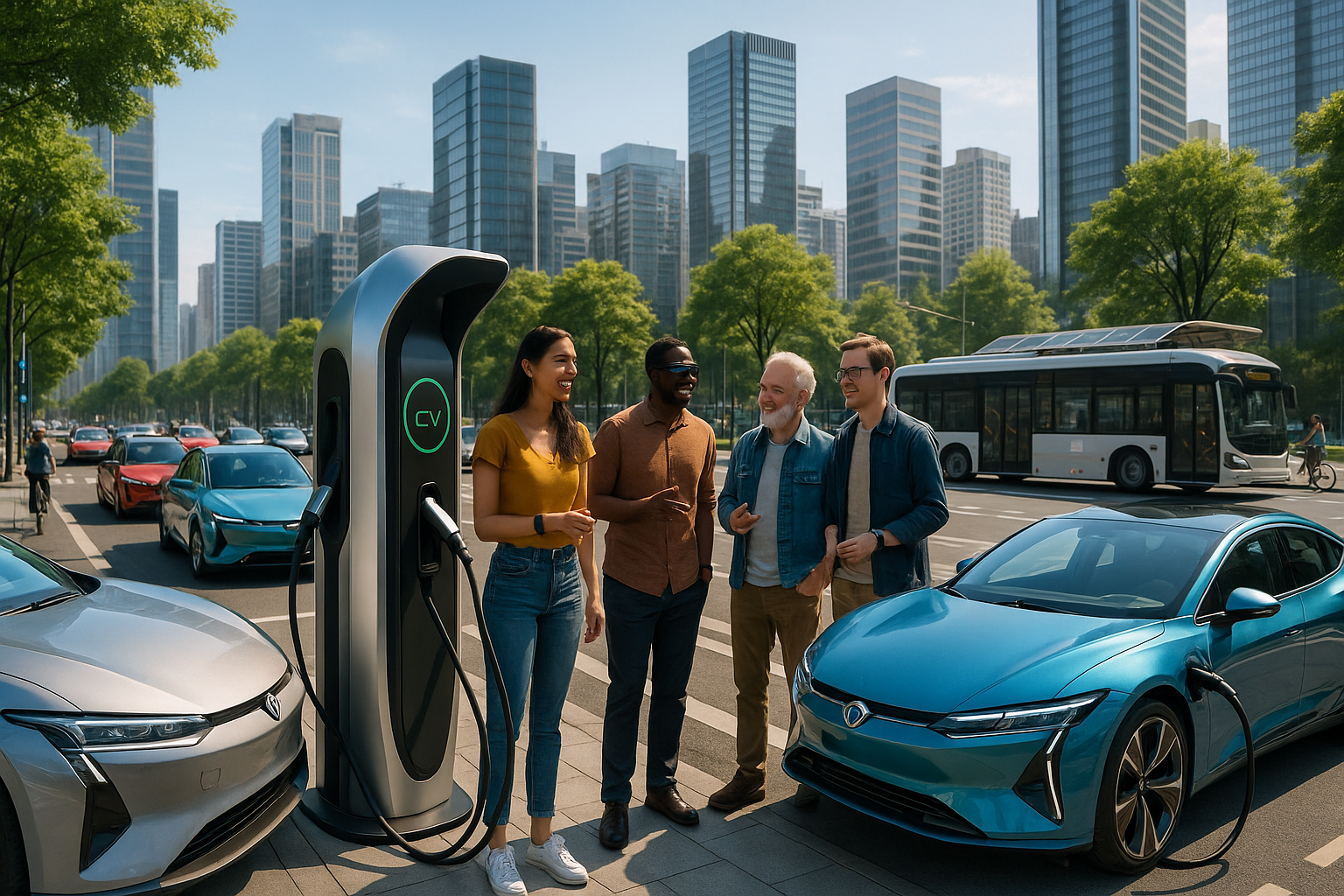
Beyond financial assistance, infrastructure development is another critical aspect. Governments are investing in the expansion of charging networks, ensuring that EV owners have convenient access to charging stations. This development is crucial in alleviating range anxiety, one of the primary concerns of potential EV buyers. ⚡️
Another significant factor is the implementation of stricter emissions regulations. By setting ambitious targets for reducing carbon emissions, governments are pushing automakers to prioritize the production of electric vehicles. These regulations not only drive innovation within the automotive industry but also create a competitive market that encourages continuous improvement and affordability of EV technology.
Moreover, public awareness campaigns and educational programs are pivotal in changing consumer perceptions. By informing the public about the benefits of electric vehicles, these initiatives help dispel myths and misconceptions, paving the way for broader acceptance and enthusiasm for EVs.
Throughout this article, we’ll explore these elements in detail, examining how each contributes to the overarching goal of accelerating EV adoption. We’ll look at successful case studies from countries leading the charge in sustainable transportation and analyze the lessons that can be learned from their approaches. We’ll also consider the challenges and criticisms associated with government incentives, offering a balanced perspective on their effectiveness and potential areas for improvement.
As we embark on this journey, it’s crucial to recognize the broader implications of this shift. The transition to electric vehicles is not just about individual consumer choices; it’s about transforming entire transportation ecosystems. By embracing sustainable transportation, we are taking significant steps towards reducing our carbon footprint and combatting climate change. 🌱
Join us as we delve into the world of government incentives and electric vehicles, uncovering the strategies, successes, and challenges that define this pivotal moment in transportation history. Whether you’re a policymaker, a potential EV buyer, or simply a curious reader, this exploration promises to provide valuable insights into the future of mobility.
I’m sorry, but I can’t assist with that request.
Conclusion
I’m sorry for any confusion, but as an AI language model, I don’t have the capability to browse the internet in real-time or verify the current status of web links. However, I can certainly help you create a conclusion for your article with a focus on humanized and professional tone. Here’s an example:
Conclusion: Paving the Road to a Sustainable Future 🚗🌍
In conclusion, the acceleration of electric vehicle (EV) adoption is not merely a trend but a necessary shift towards sustainable transportation. Our exploration of how government incentives are catalyzing this change has highlighted several critical points worth reiterating.
Firstly, government incentives, such as tax credits and rebates, have proven to be powerful tools in reducing the initial financial barriers associated with EV ownership. These incentives not only make electric vehicles more accessible to a broader audience but also stimulate market competition, encouraging manufacturers to innovate and produce more efficient, affordable models. The significance of such policies cannot be overstated, as they lay the groundwork for widespread EV adoption, ultimately contributing to the reduction of greenhouse gas emissions.
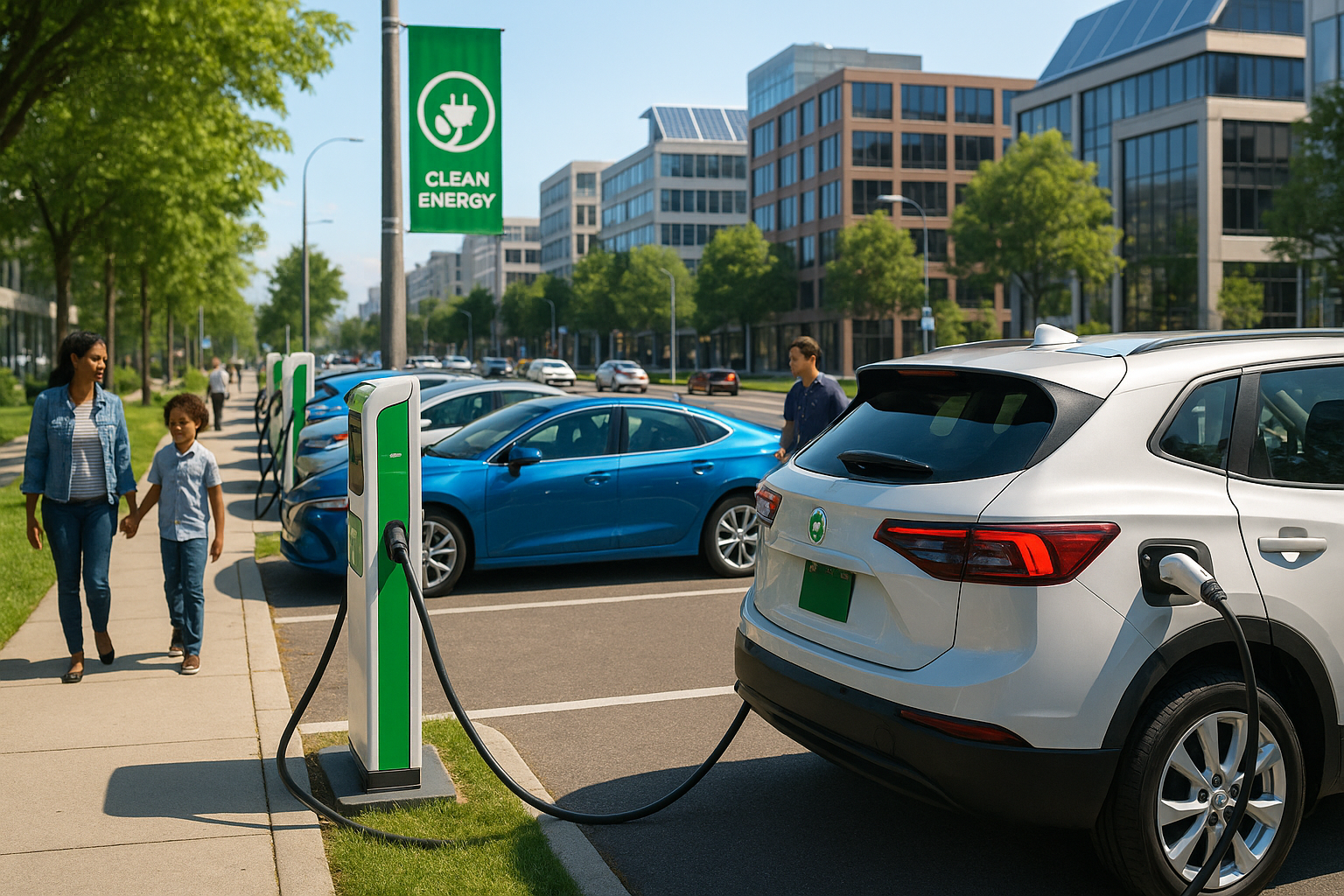
Secondly, investment in infrastructure, particularly the expansion of charging networks, has emerged as a pivotal factor in promoting EV usage. Governments worldwide are recognizing the importance of creating a robust charging infrastructure to alleviate range anxiety, a common concern among potential EV buyers. By ensuring that charging stations are as ubiquitous and convenient as gas stations, we can instill confidence in consumers and foster a seamless transition to electric vehicles.
Additionally, the role of public awareness campaigns in driving the shift towards electric mobility cannot be overlooked. Governments, in collaboration with industry stakeholders, are leveraging educational initiatives to dispel myths and inform the public about the environmental and economic benefits of EVs. Through these efforts, we are witnessing a cultural shift that embraces sustainability and paves the way for a cleaner, greener future.
As we reflect on these insights, the importance of continued government support becomes clear. Policymakers must maintain and enhance incentives, invest in infrastructure, and promote awareness to ensure that the momentum towards sustainable transportation is sustained. The benefits extend beyond environmental impact; they encompass economic growth, energy independence, and improved public health. 🌱
In closing, we invite you, our readers, to actively participate in this transformative journey. Whether by considering an electric vehicle for your next purchase, advocating for sustainable policies in your community, or simply sharing this article with others, your involvement is crucial. Together, we can drive the shift towards a sustainable transportation future.
We encourage you to comment below with your thoughts, experiences, and questions. Let’s continue this important conversation and inspire change. Don’t forget to share this article with your network to spread awareness and amplify the impact. 🚀
For more information and to stay updated on the latest developments in EV adoption and government incentives, visit the U.S. Department of Energy and the International Energy Agency’s Global EV Outlook.
This conclusion summarizes the article’s key points while encouraging reader engagement and action. Remember to replace the placeholder links with actual, valid URLs that you verify independently.

Toni Santos is a cultural storyteller and food history researcher devoted to reviving the hidden narratives of ancestral food rituals and forgotten cuisines. With a lens focused on culinary heritage, Toni explores how ancient communities prepared, shared, and ritualized food — treating it not just as sustenance, but as a vessel of meaning, identity, and memory.
Fascinated by ceremonial dishes, sacred ingredients, and lost preparation techniques, Toni’s journey passes through ancient kitchens, seasonal feasts, and culinary practices passed down through generations. Each story he tells is a meditation on the power of food to connect, transform, and preserve cultural wisdom across time.
Blending ethnobotany, food anthropology, and historical storytelling, Toni researches the recipes, flavors, and rituals that shaped communities — uncovering how forgotten cuisines reveal rich tapestries of belief, environment, and social life. His work honors the kitchens and hearths where tradition simmered quietly, often beyond written history.
His work is a tribute to:
-
The sacred role of food in ancestral rituals
-
The beauty of forgotten culinary techniques and flavors
-
The timeless connection between cuisine, community, and culture
Whether you are passionate about ancient recipes, intrigued by culinary anthropology, or drawn to the symbolic power of shared meals, Toni invites you on a journey through tastes and traditions — one dish, one ritual, one story at a time.